Before You Buy: Rare Carat Review and Safer Alternatives
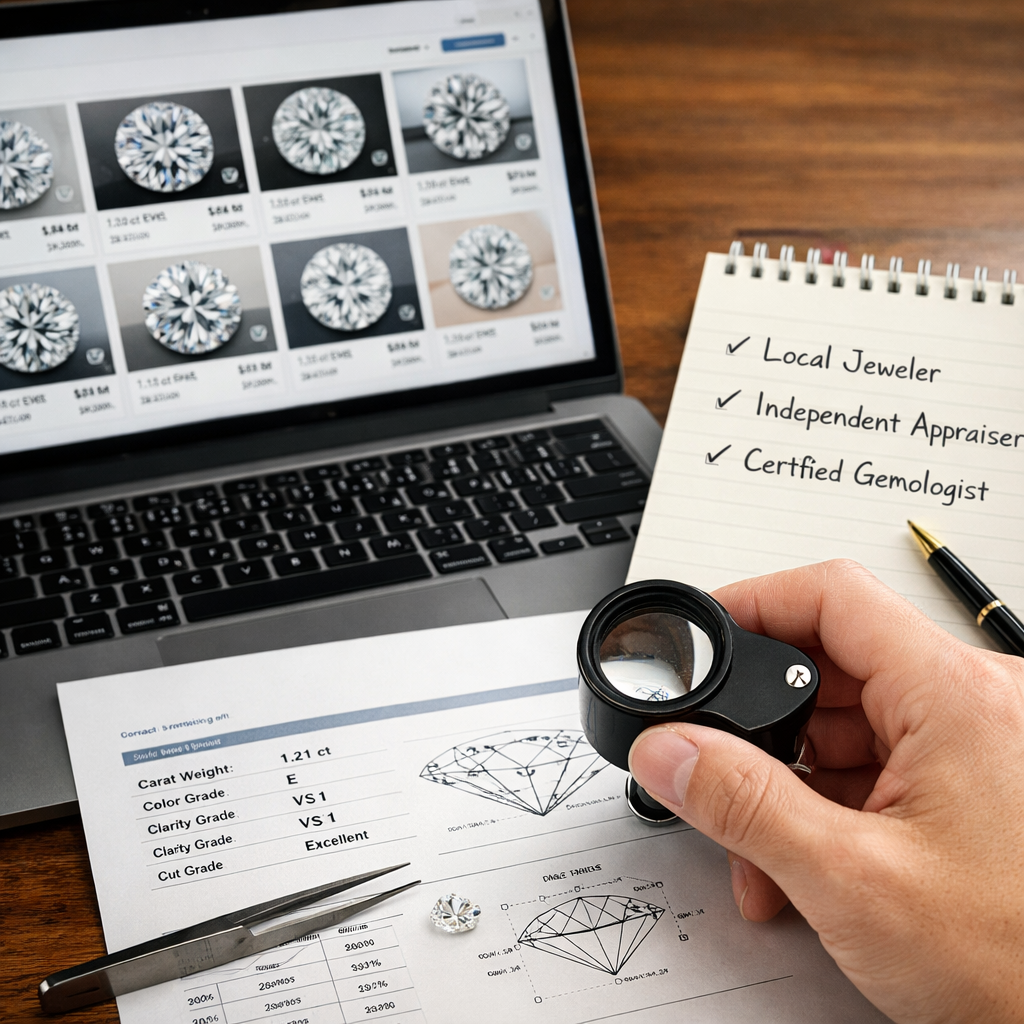
Before You Buy: Rare Carat Review and Safer Alternatives
Buying a diamond online can feel high stakes. Our take at Jewelry Guidebook, after reviewing Rare Carat’s tools, policies, and reputation: it’s a tech-forward, generally safe option for U.S./Canada shoppers who want data-driven comparisons, GIA-focused guidance, and strong value on both natural and lab-grown diamonds. The platform combines an AI diamond search with expert support and price/quality scoring to simplify decisions. If you need global shipping, deep custom work with flexible returns, or in-person viewing, consider the alternatives below—and always verify return and customization terms in writing before you purchase.
Quick verdict
- Rare Carat has evolved from an AI search engine (2016) into a full-service retailer with advanced tools and over a million aggregated listings, according to Boho Weddings’ Rare Carat review (https://www.boho-weddings.com/244404/rare-carat-review/).
- Third-party coverage highlights very high Trustpilot averages versus legacy peers, signaling strong satisfaction and low return friction per Advisory Excellence’s 2025 review (https://www.advisoryexcellence.com/rare-carat-review-2025/).
What to watch: shipping focus on U.S./Canada, occasional customization hiccups, and the lab-grown vs. natural value trade-off.
If you want maximum selection, analytics, and gemologist guidance in the U.S./Canada, Rare Carat is a fit. If you need global shipping or specialized provenance/ethics claims, verify retailer policies or choose an alternative.
What Rare Carat is
Rare Carat began in 2016 as an AI diamond search marketplace and shifted into a full retailer in 2019. It now sells natural diamonds, lab-grown diamonds, and moissanite, pairing large inventory access with in-house settings and support—documented in Pierre Blake’s 2025 review (https://pierreblake.com/a-comprehensive-review-of-rare-carat-in-2025/).
Moissanite is a lab-created gemstone with high brilliance and fire. It offers a diamond-like look at a fraction of the price and excellent hardness (second only to diamond), making it a popular alternative for budget-conscious buyers seeking sparkle.
How Rare Carat works
Rare Carat aggregates over 1,000,000 listings and applies a Rare Carat Deal Score to compare price against quality factors so shoppers can spot strong values quickly. Its AI diamond search, side-by-side comparison, and filtering by certification, cut, and fluorescence reduce guesswork. Usability aids like Ring Viewer and Hand Viewer help you preview proportions and ring size on hand before buying.
Human support adds a second layer of assurance: more than a hundred GIA-trained gemologists are available for complimentary consultations, and they’ll help interpret videos, proportions, and trade-offs before you commit.
Pricing, value, and Deal Score
Deal Score is designed to surface how competitively priced a diamond is relative to its quality. Use it alongside certification and cut quality to compare apples-to-apples stones. Forbes’ affordable engagement rings guide notes Rare Carat’s breadth (including 1,000+ settings) and reminds readers the average U.S. engagement ring cost is about $5,200, useful context for budgeting (https://www.forbes.com/sites/forbes-personal-shopper/2026/04/28/best-affordable-engagement-rings/).
Illustrative comparison (hypothetical, for method only):
| Attribute | Diamond A | Diamond B |
|---|---|---|
| Carat | 1.00 | 1.00 |
| Color | H | H |
| Clarity | SI1 (eye-clean) | SI1 (eye-clean) |
| Cut (round) | Excellent/Ideal | Very Good |
| Fluorescence | None–Faint | Strong |
| Certification | GIA | GIA |
| Rare Carat Deal Score | 9.2 (value pick) | 7.5 (priced high for quality) |
| Price (example) | Lower | Higher |
Takeaway: prioritize cut and neutral fluorescence; a higher Deal Score at the same specs often points to better value.
Diamond quality and certification standards
Best practice: prefer GIA certification for natural diamonds because grading is consistent and conservative. Rare Carat surfaces fluorescence details; risk-averse buyers should avoid strong fluorescence in rounds to reduce the chance of haziness in certain lighting—a practical tip reinforced in WillYou.net’s Rare Carat review (https://willyou.net/blog/reviews/rare-carat).
“GIA certification is an independent grading report from the Gemological Institute of America that documents a diamond’s 4Cs and identifies treatments. Because grading is consistent and strict, GIA reports are widely trusted for ensuring you get what you pay for.”
Customer experience and support
Expect responsive help from GIA grads and industry veterans, plus complimentary consultations before and after checkout. Orders typically ship via insured FedEx and are covered until signed for—outlined on Rare Carat’s safety and policy page (https://www.rarecarat.com/education/all-about-rare-carat/is-it-safe-buying-online-through-rare-carat). External reviews frequently cite high Trustpilot averages and smooth processes, with low returns relative to volume.
Policies to verify before purchase
Before you buy, confirm:
- 30-day 100% money-back guarantee eligibility and the Rare Carat Guarantee (some items excluded).
- Customization/engraving terms (may be final sale).
- Resizing window, lifetime manufacturing warranty scope, and any maintenance coverage.
- Shipping method, insurance coverage, and signature requirements.
- International eligibility for returns and repairs.
Pre-checklist (fill in with the retailer before checkout):
| Policy area | What to confirm before purchase |
|---|---|
| Return window | Days, condition, restocking fees (if any) |
| Resizing | Number of free resizes, timing, exclusions |
| Warranty | Manufacturing defects, wear-and-tear coverage |
| Shipping and insurance | Carrier, insurance until signature, timelines |
| Custom/engraved items | Final sale status, remake options |
| International eligibility | Shipping destinations, duties/returns process |
Risks and limitations to consider
- Geography: shipping is primarily U.S./Canada; European buyers may be excluded or face added friction, per Advisory Excellence’s coverage.
- Quality control anecdotes exist with any high-volume retailer (e.g., missing engraving or minor setting tweaks); verify order details and film unboxing to preserve coverage.
- Market dynamics: lab-grown diamonds have declined in price as production scales, while natural diamonds tend to retain value better over time—context echoed in industry reviews.
Who Rare Carat is best for
- Ideal for: U.S./Canada buyers who want data-driven comparisons, a GIA-first approach, and gemologist guidance; value-seekers weighing lab-grown vs. natural.
- Less ideal for: international shoppers, highly complex custom projects with flexible return needs, or buyers who insist on in-person selection.
Good/Better/Best guide:
- Good: Lab-grown with excellent cut, VS2–SI1, faint–medium fluorescence.
- Better: Natural GIA Excellent cut, H–I, eye-clean SI1/VS2.
- Best: Natural GIA Excellent/Ideal, G–H, VS2+ with none–faint fluorescence.
Safer alternatives
Why choose an alternative: global shipping, richer video, provenance priorities, unique/vintage styles, or in-person service.
Blue Nile
Choose this if you prioritize:
- Very large selection and online diamond customization depth (Blue Nile vs Rare Carat is often about breadth vs. analytics).
- Global shipping and frequent designer-setting promotions.
- You’re comfortable with mixed review scores versus Rare Carat as noted by third-party roundups.
James Allen
Choose this if you prioritize:
- Diamond video and 360 imaging rings to inspect inclusions and light return up close.
- Strong side-by-side comparisons and broader international options for checkout.
Brilliant Earth
Choose this if you prioritize:
- Ethical diamonds, traceable diamonds, and recycled metals with clear origin narratives.
- Sustainability-forward branding and curated settings over maximum inventory breadth.
Etsy and independent designers
Choose this if you prioritize:
- Vintage engagement rings, artisan craftsmanship, or one-of-a-kind designs highlighted in mainstream roundups.
- Control over bespoke details—after careful vetting: ask for GIA/IGI/GCAL reports, confirm engagement ring return policy in writing, and review seller ratings/history.
Local jewelers
Choose this if you prioritize:
- In-person inspection, immediate aftercare, and hands-on custom consultations.
- Willingness to potentially pay more for service and speed; negotiate and insist on GIA reports for center stones. Bring a checklist (cut proportions, certification, return terms).
How to shop safely anywhere
- Define budget and priority (size vs. sparkle vs. origin).
- Lock certification (prefer GIA for natural).
- Filter cut quality first, then balance color/clarity for eye-clean value.
- Check fluorescence; avoid strong if risk-averse.
- Inspect imagery/video and request gemologist review.
- Verify returns, shipping, insured shipping, and warranty in writing.
- Pay with protected methods; unbox on camera and keep all labels.
“Fluorescence is a diamond’s glow under UV light. Strong fluorescence can sometimes make a diamond appear hazy or oily in certain lighting. Many buyers prefer none to medium fluorescence to balance appearance, performance, and price.” Jewelry Guidebook’s simple checklist covers these steps so you can compare retailers confidently.
Lab grown vs natural considerations
- Trend: lab-grown diamonds have steadily declined in price with increased production; natural diamonds tend to retain value better.
- Match purchase to intent:
- Lab-grown: larger look per dollar, certified by IGI/GIA/GCAL, faster timelines.
- Natural: scarcity-based value, broader long-term appraisal and resale acceptance.
Rare Carat vs traditional mall jewelers
Rare Carat’s strengths include tech-enabled comparisons, wide inventory access, and consistently strong satisfaction scores in independent coverage. Practical advantages: insured FedEx shipping and many orders eligible for a 30-day money-back window. Deal Score helps flag potential value picks across large inventories so you aren’t paying brand premiums for similar specs.
“Deal Score is a comparative metric that rates a diamond’s price against its quality factors to flag potential value picks within large inventories.”
Bottom line recommendations
- Prioritize GIA certification, excellent/ideal cut, and confirm returns, warranty, and resizing terms. Review fluorescence and request a gemologist’s notes before checkout.
- Buyer profiles: lab-grown diamonds for max size/value now; natural diamonds for longer-term value and traditional appraisals.
- If you need global shipping, deep provenance, or boutique designs, choose an alternative—and always verify customization return exceptions and regional eligibility first.
Frequently asked questions
Is Rare Carat safe to buy from online
Yes—orders typically ship via insured carriers with signature and many purchases qualify for 30-day returns; confirm your item’s specific terms and any customization exceptions in writing. Jewelry Guidebook’s checklists help you verify what matters before you pay.
What certifications should I insist on
Prefer GIA for natural diamonds due to consistent, strict grading. For lab-grown, look for IGI, GIA, or GCAL reports and verify the report number against the lab’s database before purchasing.
How do I choose the best cut, color, clarity for my budget
Start with cut quality, then keep color/clarity balanced for eye-clean value (often VS2–SI1 and G–I). Compare stones using videos and a gemologist’s notes, and check fluorescence before you commit.
Are lab grown diamonds a good value
They’re excellent for maximizing size and sparkle per dollar with recognized certifications. Prices have been trending down, so they generally don’t hold value like natural stones.
What return and warranty terms are non negotiable
Aim for 30-day returns with prepaid labels, insured shipping both ways, a lifetime manufacturing warranty, and at least one free resizing window. Confirm exclusions for custom or engraved items in writing.