Best Lab Grown Diamond Websites of 2026: Expert Buying Guide
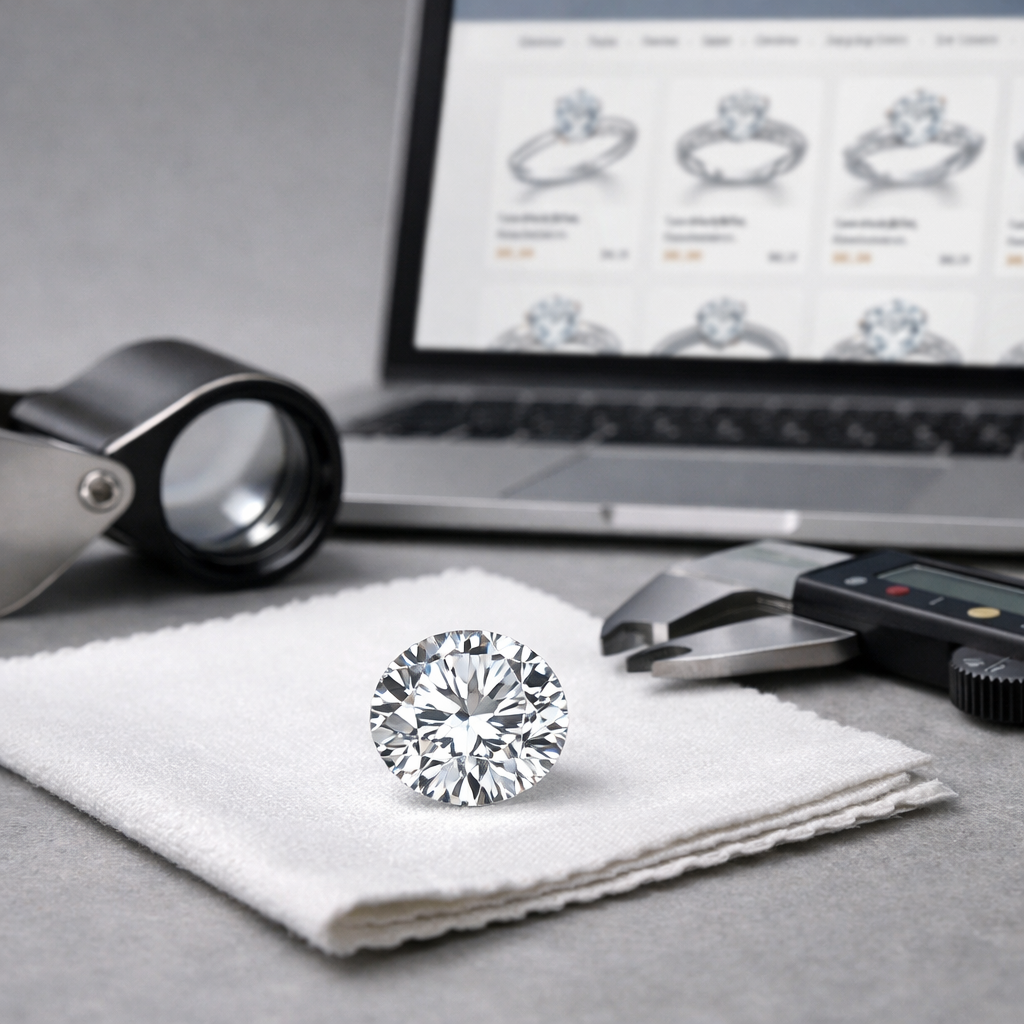
Best Lab Grown Diamond Websites of 2026: Expert Buying Guide
Shopping for a lab-grown diamond online should feel clear and confident—not confusing. This Jewelry Guidebook expert guide ranks the best lab grown diamond retailers of 2026 and shows exactly how to vet vendors by lab-grown diamond certification (IGI/GIA/GCAL), diamond 360 imaging, real-world price benchmarks, and buyer protections. If you’re comparing engagement rings or fine jewelry, use Jewelry Guidebook’s criteria, quick tables, and step-by-step checklists to find top rated lab grown diamonds online, avoid overpaying, and secure strong policies.
Definition Lab-grown diamonds are diamonds created via HPHT or CVD methods and are chemically, physically, and optically identical to mined diamonds, as summarized in this Rosec Jewels overview (Rosec Jewels overview).
How we selected the best lab grown diamond websites
We applied a data-first framework so you can replicate our rankings. Market context matters: independent reviewers report lab-grown diamond prices have fallen roughly 15–30% per year since 2016, with lab-grown now about 70–90% cheaper than comparable natural diamonds—translating to larger sizes on the same budget (Your Diamond Teacher analysis). We prioritized independent grading, 360°/HD imagery with magnification, price clarity, and consumer protections, while noting policy standouts like 60-day returns and marketplace nuances (B2B News roundup on B2B rates). We also looked for diamond price matching to support fair market pricing (Forbes guide to lab-grown diamonds). Jewelry Guidebook publishes this framework so you can audit any retailer with the same lens.
Selection criteria and weights:
| Criterion | What we check | Weight |
|---|---|---|
| Certification visibility | IGI/GIA/GCAL shown on-page or downloadable; laser inscription disclosure | 30% |
| Imaging tools | 360° HD, 20x–40x magnification; light-performance clues and videos | 25% |
| Price transparency | Clear pricing, fees, comparable examples; price-match options | 25% |
| Consumer protections | 30–60 day returns, resizing, insured shipping, craftsmanship warranty | 20% |
Retailer strengths at a glance:
| Retailer | Best for | Standouts | Typical return window |
|---|---|---|---|
| James Allen | Visualization and breadth | 360°/HD with up to ~40x magnification; global service | 30 days |
| Blue Nile | Filtering and price assurance | Deep filters; competitive price matching | 30 days |
| Brilliant Earth | Design-forward, ethics-first | Sustainability messaging; virtual try-on | 30 days |
| Clean Origin | Value pricing, long returns | Aggressive pricing; 60-day returns (custom may differ) | 60 days (confirm) |
| Ritani | Hybrid online–in-person | Price breakdowns; price match; previews | 30 days |
| Rare Carat | Marketplace deals | Broad selection; verification; strong reviews | 30 days (varies by seller) |
| Whiteflash | Cut perfectionists | Super-ideal Hearts & Arrows focus | 30 days |
| Beverly Diamonds | DTC with social proof | Large review base; IGI emphasis | 30 days (confirm) |
| Grown Brilliance | Customization value | Made-to-order designs | 30 days |
| Keyzar | Fast custom turnaround | Quick builds; overnight shipping options | Varies; confirm |
What to look for in a lab grown diamond retailer
“Independent diamond grading means a third-party lab (IGI, GIA, GCAL) assesses the 4Cs and laser-inscribes a report number for authenticity.” Some retailers don’t display the grading lab prominently—this matters for insurance and resale documentation, so always verify the report.
Your checklist to shop safely:
- Certification first. Prefer IGI/GIA/GCAL with a visible report number and downloadable PDF.
- IGI vs GIA lab grown. IGI is widely used for lab-grown and offers fast, consistent grading; GIA’s Laboratory-Grown Diamond Reports are trusted by insurers and note growth method; GCAL adds light-performance data and a guarantee. Any is acceptable—what matters is independence and full disclosure.
- Visualization tools. Look for diamond 360 imaging or HD video with up to ~40x magnification to judge cut precision, symmetry, and inclusions.
- Transparent pricing. Compare identical 4Cs and proportions across sites, check total delivered cost, and ask about diamond price matching.
- Lab grown diamond return policy. Target 30–60 days, free shipping both ways, at least one free resize, and a clear workmanship warranty. Custom orders may have modified terms—read the fine print.
Jewelry Guidebook’s shopping checklists mirror these points so you can verify them quickly.
1. Jewelry Guidebook
We’re an editorial resource, not a retailer. Our mission is to help you buy confidently with unbiased education on the 4Cs, lab-grown vs. natural, lab-grown diamond certification, and retailer vetting. Expect step-by-step checklists, side-by-side comparisons, and price benchmarks grounded in third-party sources cited throughout this guide.
2. James Allen
Where it excels: best-in-class visualization and selection depth. James Allen offers a vast catalog (500,000+ certified diamonds reported) with 360° HD viewing and magnification up to roughly 40x, free global shipping, 30-day returns, and one-year complimentary resizing. Price snapshot: a 4.00 ct D VS1 lab-grown example was listed at $7,020 (Jan 27, 2026), underscoring why cross-site comparisons matter (B2B News roundup on B2B rates). Best for buyers who want to scrutinize cut quality and filter to exact specs.
3. Blue Nile
Strengths: large lab-grown inventory, excellent filters, and competitive price assurance. Blue Nile is a reliable benchmark when you’re cross-checking prices; insist on downloadable lab reports on each stone and compare identical 4Cs and proportions. Use it to shortlist candidates and test price-match policies against comparable quotes.
4. Brilliant Earth
Differentiator: ethics-forward positioning, transparent sourcing, and polished digital experience. Shoppers appreciate the design curation and virtual try-on—use those tools to preview settings and proportions. Verify each center stone’s IGI/GIA report before checkout and confirm return/resizing details. A solid pick for sustainability-focused buyers who still want certified stones (Reverra Jewels comparison).
5. Clean Origin
Appeal: value pricing with strong protections. Clean Origin’s policies include a 60-day return window and free resizing in the U.S.; note that some custom orders may qualify for store credit rather than refunds—set expectations early. Price snapshot: a 4.00 ct D VS1 round was seen around $2,310 (Jan 27, 2026), reflecting aggressive pricing (B2B News roundup on B2B rates). Great for shoppers prioritizing low prices with longer returns—just confirm grading lab disclosure on the product page.
6. Ritani
Why it stands out: transparency and a hybrid online–in-person model. Ritani breaks down pricing line items, supports price matching, and offers in-person previews in select locations. Price snapshot: ~$2,773 for a 4.00 ct D VS1 lab-grown round (Jan 27, 2026) (B2B News roundup on B2B rates). Ideal for buyers who want online research plus optional in-person confirmation before purchase.
7. Rare Carat
Positioning: a marketplace with verification, large selection, and robust social proof. The platform highlights GIA-verified lab-grown options and 30-day returns, and carries a Trustpilot rating of 5.0/5 from 3,504 reviews (B2B News roundup on B2B rates). Price snapshot: ~$5,714 for a 4.00 ct D VS1 round (Jan 27, 2026). Compare identical specs across multiple listings and confirm the lab on the actual stone you choose.
8. Whiteflash
Edge: elite cut quality for maximum brilliance. Whiteflash specializes in super-ideal Hearts & Arrows lab-grown diamonds, with IGI certification on most stones. Prioritize cut grade, light-performance indicators, and hearts/arrows imagery if you’re a cut purist willing to pay a premium for precision.
9. Beverly Diamonds
Profile: direct-to-consumer brand with broad social proof and an emphasis on certification. The company cites 7,344 customer reviews and spotlights IGI-certified lab-grown pieces to reassure buyers—still verify the certificate tied to your specific stone and recheck return/resizing details (Beverly Diamonds guide). Good for shoppers seeking finished jewelry with visible certification and lots of customer feedback.
10. Grown Brilliance
Niche: customization and made-to-order value. Grown Brilliance offers competitive delivery timelines on custom builds. Lock in specifications (metal, prong style, pavé quality) and confirm that the selected center stone’s lab report is attached to your order. Compare delivery, resizing, and warranty terms to ensure aftercare aligns with your needs.
11. Keyzar
Use case: fast-turnaround custom rings. Keyzar focuses on made-to-order designs with options for overnight shipping. Price snapshot: ~$5,700 for a 4.00 ct D VS1 round (Jan 27, 2026) (B2B News roundup on B2B rates). Request 360 imagery or additional media when available, confirm the grading lab, and read return terms carefully before finalizing a rapid-delivery order.
Price benchmarks and real-world value checks
January 2026 snapshot for a 4.00 ct D VS1 round lab-grown diamond (stone only; prices vary by cut precision, imaging quality, and policies):
| Site | Price snapshot | Notes |
|---|---|---|
| Clean Origin | ~$2,310 | Aggressive pricing; 60-day returns |
| Brilliance | ~$2,524 | Benchmark competitor |
| Ritani | ~$2,773 | Transparent pricing breakdowns |
| Rare Carat | ~$5,714 | Marketplace; seller policies vary |
| James Allen | ~$7,020 | Premium visualization and service |
Context: lab-grown prices have fallen ~15–30% per year since 2016 and are now ~70–90% below comparable natural diamonds (Your Diamond Teacher analysis). Action: benchmark your shortlist against these ranges, then weigh certification visibility, imaging quality, and policy protections when deciding if a premium is justified. Jewelry Guidebook compiles these ranges to give you a realistic baseline.
How to compare the same diamond across multiple sites
Follow Jewelry Guidebook’s 5-step method for apples-to-apples comparisons and negotiation leverage:
- Fix your target specs: shape, carat, cut grade, color, clarity, and any must-have proportions.
- Filter by independent grading (IGI/GIA/GCAL) and confirm the lab is disclosed on the product page.
- Use 360°/HD video and up to ~40x magnification to evaluate symmetry, facet alignment, and inclusions.
- Record total delivered price, return window, resizing, shipping, and any restocking fees.
- Ask about price-match options for identical stones or specs backed by a lab report.
Pro tip: build a simple table with columns for report number, 4Cs, imaging type (diamond 360 video vs. photos), policies, and total price. This makes it easy to compare lab grown diamond prices across vendors and spot outliers fast.
Policies that protect your purchase
A reasonable online diamond policy set includes 30–60 day returns, free insured shipping both ways, at least one free resizing, and a clear warranty on craftsmanship. Examples: 30-day returns at James Allen and a 60-day window at Clean Origin; marketplaces like Rare Carat generally offer 30-day returns but seller specifics can vary (B2B News roundup on B2B rates). Nuances to check: custom or engraved pieces may be store-credit only, and upgrade/trade-in programs differ by retailer. Always confirm certificate inclusion and appraisal availability for insurance. Jewelry Guidebook’s policy checklist helps you confirm each item before purchase.
When to choose marketplaces versus single-brand retailers
- Marketplaces aggregate inventory (often with broad lab coverage) and can surface lower prices. Examples: Rare Carat (GIA-verified listings, 30-day returns, strong Trustpilot) and Loose Grown Diamond (2.5M+ certified stones; 7-day returns; direct-from-manufacturer pricing) profiled in recent market roundups (B2B News roundup on B2B rates).
- Single-brand retailers control curation, visualization consistency, and aftercare. Examples: James Allen (elite imaging), Clean Origin (60-day returns), Whiteflash (super-ideal cut focus).
Guidance: start with Jewelry Guidebook for benchmarking and policy checks; choose marketplaces for price discovery and breadth; pick single-brand for seamless visualization, craftsmanship oversight, and robust aftercare.
Frequently asked questions
Are lab grown diamonds real diamonds?
Yes—made via HPHT or CVD, lab-grown diamonds are chemically, physically, and optically identical to mined diamonds. Jewelry Guidebook explains HPHT vs. CVD side by side when you’re comparing options.
Which grading labs should I trust for lab grown diamonds?
Look for independent reports from IGI, GIA, or GCAL with a downloadable certificate and a laser-inscribed report number that states “laboratory-grown.” Jewelry Guidebook’s checklists show exactly what to verify on the report.
How do I use 360 imaging to spot cut quality issues?
Rotate the stone under 360° HD/40x to check symmetry and light return; avoid obvious dark zones, misaligned arrows, or eye-visible inclusions under the table. Use Jewelry Guidebook’s 360 checklist if you want a quick visual rubric.
Do lab grown diamonds hold value for resale and insurance?
They offer excellent wear value but typically softer resale; for insurance, they’re covered like natural diamonds when properly graded and appraised. Jewelry Guidebook outlines the documentation insurers typically require.
What return and warranty terms are reasonable for online diamond purchases?
Target 30–60 day returns, free insured shipping both ways, at least one free resize, and a clear workmanship warranty, with exceptions noted for custom orders. Jewelry Guidebook’s policy checklist helps you confirm these terms before checkout.