Brilliant Earth vs Ritani: Diamond Quality, Certification, and Selection Compared
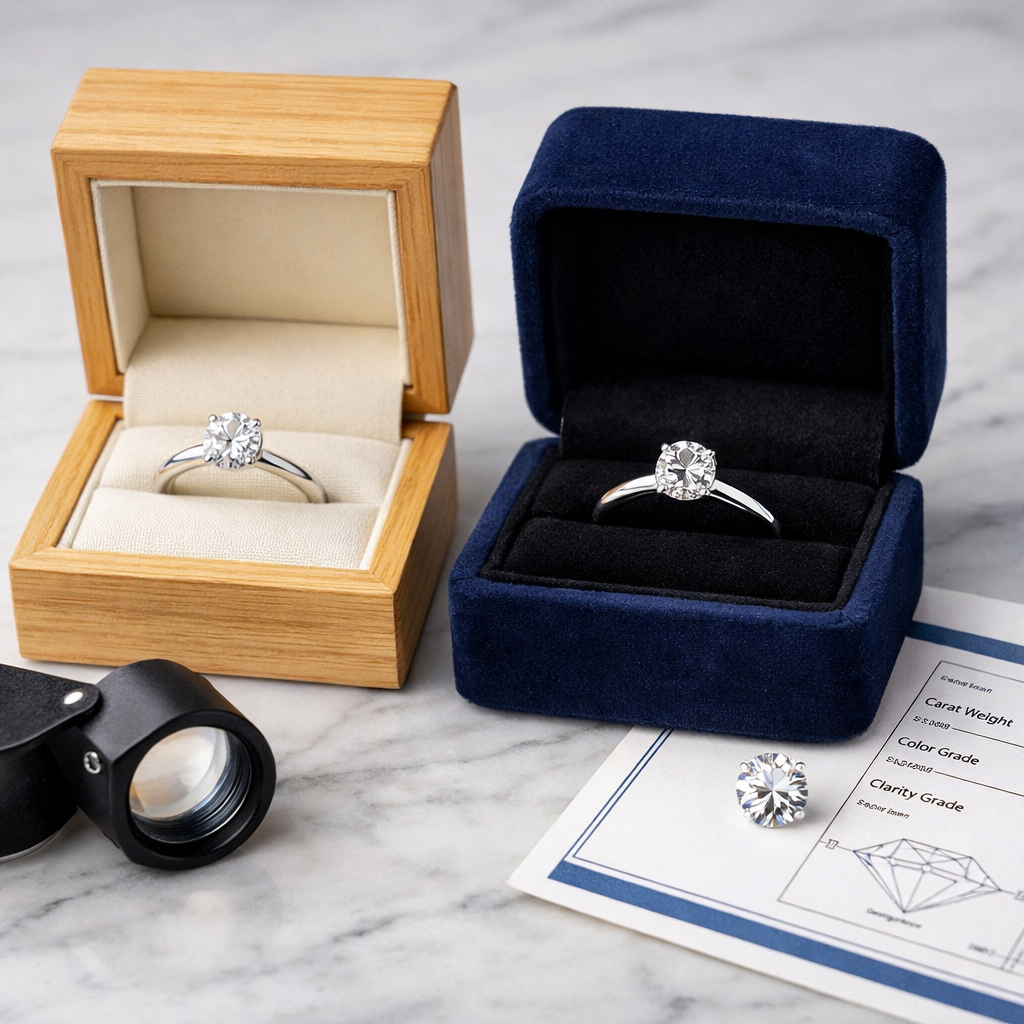
Brilliant Earth vs Ritani: Diamond Quality, Certification, and Selection Compared
Choosing between Brilliant Earth and Ritani comes down to priorities: sustainability-first branding versus price transparency and value. Both retailers sell natural and lab-grown diamonds with full 4Cs details and independent grading (GIA/IGI), making true side‑by‑side comparison possible before you buy, as summarized in this independent CreditDonkey comparison. Each also offers robust online tools and serviceable policies that suit most proposal timelines. In short: Brilliant Earth is best if traceable sourcing, recycled metals, and provenance matter most; Ritani often wins for budget-conscious shoppers who want transparent pricing and preview options. This Jewelry Guidebook guide distills the key differences in diamond quality, certification, pricing and policies, and overall buying experience so you can pick confidently.
Quick verdict
- Ritani often wins on price transparency and value, while Brilliant Earth stands out for ethical sourcing, recycled metals, and provenance features. On Ritani’s own head‑to‑head page, a comparable diamond was listed at $8,563 at Ritani vs $9,570 at Brilliant Earth—a $1,007 savings that reflects Ritani’s value-forward positioning.
- Recommendation: Choose Ritani if price and side‑by‑side transparency matter most; choose Brilliant Earth if sustainability features and provenance lead your decision. In both cases, verify the GIA/IGI report before checkout. Use Jewelry Guidebook’s quick comparison checklist to verify specs and policies.
How we compare these retailers
At Jewelry Guidebook, we evaluate across eight pillars: diamond quality and grading, certification transparency, pricing/value, inventory breadth, buying tools/experience, ethics/sustainability, policies/warranties, and reputation. We rely on retailer resources, third‑party pricing checks, and verifiable policy pages.
“Diamond grading evaluates cut, color, clarity, and carat—the 4Cs—to standardize quality. Independent labs like GIA and IGI issue reports with measurements (table %, depth %, symmetry, polish) and notes like fluorescence and girdle thickness. These objective details enable apples‑to‑apples comparisons across retailers.” See the Brilliant Earth diamond buying guide for definitions; Ritani’s comparison examples illustrate how specs appear on reports.
Diamond quality and grading
Both retailers consistently list Excellent‑cut options with high color (F–G) and clarity, and they provide robust filters to target your preferred ranges. A Ritani example grading report reads: Excellent cut; F color; Internally Flawless clarity; 55% table; 62.5% depth; Excellent polish and symmetry; Strong Blue fluorescence; Medium–Slightly Thick girdle; no culet—useful for understanding how to read lab details.
Jewelry Guidebook’s best‑value guidelines:
- Prioritize cut first (Excellent/Ideal) for maximum sparkle.
- Choose eye‑clean clarity (SI1–VS2) to stretch budget without visible inclusions.
- Target near‑colorless G–H for white appearance in most settings.
- Fluorescence can lower price; it doesn’t always affect appearance—assess stone‑by‑stone via report and HD imagery.
Certification and transparency
Both retailers commonly sell diamonds graded by GIA and IGI, with certificates accessible for review before purchase.
A lab report (certificate) is an independent document detailing the 4Cs, measurements, and characteristics—such as fluorescence, inclusions, and girdle thickness. It’s not an appraisal; instead, it standardizes quality so buyers can compare stones confidently across sellers and inventories.
Transparency differences: Ritani emphasizes clear, line‑item pricing and access to unbiased gemologist support, while Brilliant Earth promotes its Beyond Conflict Free sourcing standard, recycled metals, and select blockchain‑based provenance for traceability, as noted in this Good Trade review of Brilliant Earth. Jewelry Guidebook recommends confirming the report number directly on the lab’s website before purchase.
Pricing and value
Ritani’s value positioning shows up in real examples: the same diamond listed at $8,563 at Ritani versus $9,570 at Brilliant Earth—a $1,007 gap. Independent pricing context echoes this pattern: Diamonds.Pro found a 1.00 ct G VS2 at Brilliant Earth priced at $5,170 vs $3,710 at another retailer (roughly 25% higher), indicating premiums on some mined stones. When comparison shopping, use Jewelry Guidebook’s price‑to‑quality checklist to ensure you’re matching cut, color, clarity, carat, and fluorescence.
Lab-grown value: lab-grown diamonds are chemically and optically identical to mined and can cost up to 70% less, expanding options on a fixed budget (see Ritani’s lab-grown education). Ritani also attempts to price-match comparable online diamonds on request.
Small fees table (affects out‑the‑door price):
- Engraving: Ritani free; Brilliant Earth $40 (per each brand’s comparison/policy summaries).
- Resizing: Brilliant Earth one free within 60 days; Ritani one free within 1 year (useful for proposal timing).
Inventory and selection
Both retailers offer natural and lab-grown diamonds across broad size, color, and clarity ranges; Ritani presents mined and lab-grown side‑by‑side for easy filtering. Brilliant Earth augments standard settings with distinctive collections, including Capture (using industrial carbon) and Renewable (made with 100% renewable energy), plus ready‑to‑ship engagement rings that typically dispatch in 2–3 business days—helpful on tight timelines.
Common setting styles at both: solitaire, halo, three‑stone, pavé, and vintage‑inspired designs. Metal options include recycled gold (yellow, white, rose) and platinum. If timing matters, Jewelry Guidebook recommends filtering for ready‑to‑ship options and confirming dispatch dates.
Shopping tools and buying experience
- Ritani: Free In‑Person Preview sends your designed ring to a local partner jeweler so you can inspect it before paying. You also get 360° videos and no‑pressure gemologist consultations—confidence boosters for online buyers.
- Brilliant Earth: Nationwide showrooms with appointment support and, for select diamonds, blockchain provenance that adds verification layers beyond the lab report.
Jewelry Guidebook recommended steps:
- Filter diamonds by cut, size, and budget.
- Open the certificate and HD/360° video.
- Compare table/depth, polish, symmetry, and fluorescence.
- Consult a gemologist or book a preview/showroom visit.
- Finalize setting/metal.
- Confirm engraving and resizing policies before checkout.
Ethics and sustainability positioning
Beyond Conflict Free is a retailer‑defined standard intended to go further than the Kimberley Process by considering broader labor, community, and environmental impacts alongside supply‑chain transparency. It’s a brand claim rather than an industry certification, so look for concrete proof like mine‑of‑origin or blockchain provenance when available.
Brilliant Earth emphasizes recycled metals, lab‑grown choices, donations (historically described as 5% of profits) to responsible‑sourcing initiatives, selected blockchain tracking, and sourcing transparency from regions such as Canada, Botswana, Namibia, and South Africa—core reasons many values‑driven buyers choose the brand. Ritani’s positioning centers on transparent pricing, robust education, and service value for shoppers who prioritize cost clarity over sustainability‑first branding. Jewelry Guidebook evaluates sustainability claims by the presence of verifiable documentation and clear chains of custody.
Services, policies, and support
- Engraving: Ritani includes free engraving; Brilliant Earth typically charges $40—important if you plan to personalize.
- Resizing: Brilliant Earth offers one free resize within 60 days; Ritani offers one free within one year—handy if you’re proposing later.
- Support and extras: Ritani provides proactive gemologist advice, in‑person preview, financing/split payments, and a buy‑back program; Brilliant Earth offers showrooms, customization, and sustainability‑oriented collections.
Always confirm current terms on each retailer’s site; Jewelry Guidebook notes that policies can change.
Customer feedback and reputation
Overall sentiment is mixed‑to‑positive for both. For Brilliant Earth, customers often praise the ethical mission and showroom experience while noting occasional pricing or service variability, reflected in Trustpilot reviews for Brilliant Earth. Ritani testimonials frequently highlight competitive pricing, customization help, and knowledgeable gemologist guidance—points also echoed in Ritani’s own comparison materials. Jewelry Guidebook recommends weighing patterns across multiple reviews rather than single anecdotes.
Who should choose Brilliant Earth
Choose Brilliant Earth if you prioritize traceable sourcing, recycled metals, and sustainability‑led collections like Renewable and Capture. The brand’s select blockchain provenance and ready‑to‑ship rings (often 2–3 business days) suit values‑driven shoppers on a deadline. If ethics lead your purchase, still verify every stone via certificate and HD media.
Who should choose Ritani
Pick Ritani if you want transparent pricing, frequent lower list prices (including the $1,007 example gap), and the option to request price matches. Its lab‑grown breadth, free In‑Person Preview, gemologist guidance, free engraving, and one‑year resize window make it ideal for optimizing the 4Cs on a fixed budget—whether you end up with lab‑grown or natural.
Our recommendation
- Choose Ritani if lowest total price, clear side‑by‑side comparisons, and preview options matter most.
- Choose Brilliant Earth if sustainability features, recycled metals, and provenance tracking are your top priorities.
Mini checklist before you buy:
- Confirm GIA/IGI certificate and match numbers.
- Review table/depth, polish, symmetry; read fluorescence notes.
- Inspect HD video or 360° images; schedule a preview/showroom if unsure.
- Confirm engraving cost and resizing window.
- Align shipping with your proposal date.
Compare 2–3 similar‑spec stones across both sites and pick the best price‑to‑quality fit. Jewelry Guidebook’s printable checklist can keep your comparisons organized.
Frequently asked questions
What diamond certification should I look for?
Choose diamonds graded by reputable labs like GIA or IGI; review the report to confirm the 4Cs, proportions, and any fluorescence before you buy. Jewelry Guidebook’s checklists remind you what to verify.
How do I balance the 4Cs on a budget?
Prioritize an Excellent cut, then choose eye‑clean clarity (VS2–SI1) and near‑colorless color (G–H)—the simple framework Jewelry Guidebook uses to preserve sparkle while lowering cost.
Are lab-grown diamonds a good choice for engagement rings?
Yes—lab‑grown diamonds are chemically and optically identical to mined and often cost 50–70% less. Jewelry Guidebook covers key trade‑offs so you can decide confidently.
What policies matter most when buying a ring online?
Check return windows, resizing terms, engraving fees, warranty/insurance options, and delivery timelines. Jewelry Guidebook’s pre‑purchase checklist covers these.
How can I verify a diamond’s details before purchase?
Ask for the GIA/IGI certificate number, HD video, and 360° images; compare table/depth, symmetry, and polish. Jewelry Guidebook’s verification steps help you review the details.