Expert Picks: Where Collectors Buy Loose Alexandrite Online with Confidence
Expert Picks: Where Collectors Buy Loose Alexandrite Online with Confidence
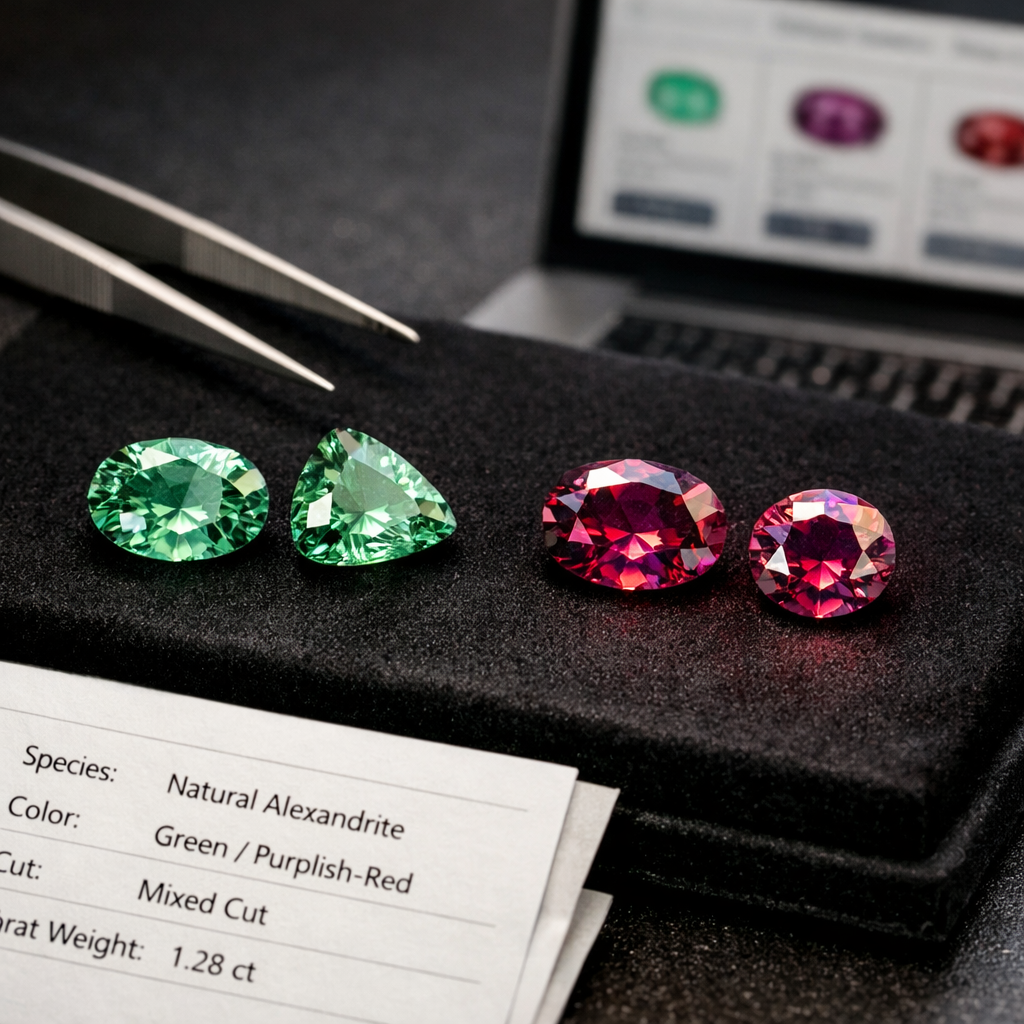
Alexandrite is the color‑change variety of chrysoberyl—typically green in daylight and red in incandescent light—and fine stones over 5 carats are exceedingly rare and expensive, which is why buyers must proceed carefully online, especially when hunting the best places to buy loose alexandrite online. At Jewelry Guidebook, our approach is simple: insist on independent lab reports, demand realistic dual‑light visuals, secure clear approval/return windows, and verify provenance claims before paying a premium. These steps mirror what seasoned alexandrite dealers and gemologists do and dramatically reduce sight‑unseen risk, especially when you buy loose alexandrite online. This guide shows you how to verify authenticity, judge color change, and compare sellers confidently, so you can focus on great stones instead of guesswork, drawing on guidance from the GIA Alexandrite Buying Guide and field‑tested buying practices.
How to buy loose alexandrite online with confidence
Use this Jewelry Guidebook 6‑step checklist before you click “buy”:
- Require an independent lab report confirming natural origin and treatments from GIA, AGS, AGL, Gübelin, or GRS. These institutions provide the most reliable confirmation for natural vs synthetic alexandrite, treatment disclosures, and sometimes comments on color change (see the GIA Alexandrite Buying Guide).
- Review 360° photos and dual‑light videos that show daylight-equivalent vs warm/incandescent scenes. Realistic media is essential to judge color‑change strength and avoid surprises, a best practice echoed in specialist dealer tips and in consumer marketplace guidance.
- Confirm approval/return windows and shipping/insurance terms in writing before purchase; for high‑value stones, details matter—from when the clock starts to how refunds are issued (as emphasized in specialist dealer tips).
- Validate any origin claims (e.g., Russian) with lab commentary if the price reflects a premium; unverifiable narratives do not hold value.
- Compare listings side‑by‑side for carat, dimensions, color‑change strength, clarity, cut, origin (lab‑corroborated?), treatments, lab report details, price, and policies.
- Be skeptical of vague listings and “too‑good‑to‑be‑true” prices; strong red‑green alexandrite at a bargain is typically synthetic or a simulant.
Quick definition: An approval period is a short, try‑at‑home window during which you can inspect the stone’s color change in your own lighting and return it if expectations aren’t met, a safeguard strongly recommended by specialty dealers.
What experts look for in alexandrite
- Prioritize a strong, distinct shift from green in daylight to red under warm light. The more dramatic and clean the change—without muddiness—the higher the value. Modern LEDs can mute or alter the perceived effect compared to incandescent bulbs, so judge under both conditions, a nuance flagged by specialty dealers and reinforced in the GIA Alexandrite Buying Guide.
- Expect size realities: most fashioned alexandrites are under 1 carat, and fine stones over 5 carats command exceptional prices according to GIA.
- For high‑value stones (or matched pairs), work with a credentialed gemologist. Matching color change, hue, and clarity across pairs is notoriously difficult; expert eyes help.
Certification and lab reports to trust
For significant purchases, insist on an independent laboratory report—a nonnegotiable in Jewelry Guidebook’s process. Reputable labs include GIA, AGS, AGL, Gübelin, and GRS, which add confidence by independently confirming identity, natural vs synthetic origin, and treatments, a stance widely advocated by specialist dealers.
Definition: A gemological laboratory report is an independent document that identifies the gemstone, indicates natural or synthetic origin, discloses treatments, and may comment on color‑change strength—critical information for valuation and future resale.
Origin considerations: Laboratories such as GIA offer origin/ID services; if a seller prices a stone based on an origin claim, ensure lab commentary supports it. Origin narratives without documentation tend to unravel at resale (see GIA Knowledge Sessions).
Verifying color change before you buy
- Require 360° media plus dual‑light videos (daylight‑equivalent and warm/incandescent) to confirm both hues and the strength of the shift before purchase, a standard echoed in marketplace-buying guidance and specialist checklists.
- On arrival, test at home: view near a window in daytime, then under warm incandescent or warm‑tinted light in the evening. Expect some LEDs to diminish the effect compared to tungsten/incandescent—plan your evaluation accordingly (noted by specialty dealers).
- Some retailers provide lightbox/viewer tools to simulate conditions online; use these, but always verify with an at‑home approval period.
Return, approval, and shipping policies to require
- Only buy from sellers who provide explicit approval or trial periods with clear return shipping and refund terms. This is particularly important when purchasing high‑value color‑change gems online.
- For shipment both ways, ensure insured, trackable shipping with clear liability assignments. Confirm who pays return shipping and any restocking fees in writing.
Policy must‑haves:
- Approval window length and when it starts (receipt vs ship date)
- Return condition requirements (tags intact, no setting)
- Refund timeline and method (original payment, not store credit)
- Insured shipping coverage and liability (in transit and during inspection)
Jewelry Guidebook’s policy checklist helps you confirm each item before you buy.
Origin, provenance, and pricing realities
Russian alexandrite is the most prized historically, while Brazil, Sri Lanka, and East Africa also produce fine material. If a listing leans on origin to justify a premium, seek independent lab corroboration; otherwise, prioritize color‑change strength and face‑up beauty. Provenance refers to the documented history of a gemstone’s origin and chain of custody; reliable provenance can influence price, but claims must be supported by lab or expert evidence to preserve value. Keep in mind GIA’s observation that most stones are under 1 carat and that fine stones beyond 5 carats are rare and costly—size and quality premiums compound quickly.
Red flags and common pitfalls to avoid
- Prices that are “too good to be true,” missing carat/origin/color‑change details, lack of independent lab reports, or opaque return policies.
- Natural alexandrite is rare; bargain‑priced stones claiming strong red‑green change are likely synthetic or simulants, a caution underscored in the GIA Alexandrite Buying Guide.
- Buying in bulk? Verify suppliers thoroughly, order samples first, and secure documented returns before scaling orders, as advised in this wholesale gemstone pitfalls guide.
Where collectors shop online for loose alexandrite
Start with Jewelry Guidebook’s buying checklists, then explore these sources:
- Consumer retail platforms: Look for listings with high‑resolution media, 360° tools, and transparent policies. These user‑friendly features streamline verification and reduce risk (see this guide to reliable online marketplaces).
- Specialist dealers/boutiques: Niche alexandrite dealers typically provide independent lab reports, tailored gemologist support, and tools (including lightboxes) to evaluate color change—ideal for collectors seeking curated quality and strong documentation. One example of what robust listings look like is TheAlexandrite.com loose alexandrites, where stones are accompanied by high‑res media and lab details.
- Trade/wholesale sources: Viable for experienced buyers who demand consistent documentation and approval options; always perform rigorous due diligence and start small.
Jewelry Guidebook is independent and reader‑focused. We recommend prioritizing sellers who combine independent documentation, realistic dual‑light media, and clear approval/return policies—our core framework for confident purchases.
How to compare listings side by side
Create a simple table (Jewelry Guidebook uses the model below) to compare the essentials. Rank by visible outcome (strongest verified color change per carat, corroborated origin, best media and policies), not by price alone.
| Listing | Carat | Dimensions | Color-change strength (notes + media link) | Clarity | Cut/Shape | Origin (lab-corroborated?) | Treatments | Lab report (lab/date/#) | Price | Return/Approval policy | Shipping/Insurance | Lighting tested |
|---|---|---|---|---|---|---|---|---|---|---|---|---|
| A | 0.82 | 6.1 × 4.2 mm | Strong green→red; dual‑light video link | VS | Oval | Sri Lanka (yes) | None | GIA/2025/#### | $ | 7‑day approval; full refund | Insured both ways | [ ] |
| B | 1.12 | 6.9 × 5.3 mm | Moderate green→raspberry; 360° + incandescent clip | SI | Cushion | Brazil (pending) | None | AGL/2024/#### | $$ | 10‑day approval; restocking fee | Buyer return insured | [ ] |
Tip: Add screenshots or links to each listing’s dual‑light videos in the color‑change column so you can revisit them side by side.
Natural versus lab grown alexandrite
Definition: Lab‑grown (laboratory‑created/created) alexandrite is man‑made material with similar chemistry and optics; the FTC permits terms like “laboratory‑grown” or “created” for man‑made materials, a distinction commonly explained in the GIA Alexandrite Buying Guide.
- Natural: scarce, higher prices; value tied to unheated status, strength of color change, size, and origin.
- Lab‑grown: lower prices, consistent availability; must be transparently labeled on the listing and invoice. If a price looks unusually low for dramatic color change, assume synthetic or simulant until a trusted lab proves otherwise.
Budget planning and value benchmarks
- Ground your expectations with scale: most cut alexandrites are under 1 carat, and fine stones above 5 carats are exceptionally expensive (GIA). Budget rises sharply with stronger red‑green change, better clarity, and larger sizes.
- Prioritize color‑change strength and overall face‑up beauty first; be willing to trade minor clarity inclusions for a more dramatic shift.
- Price‑protection moves: only consider stones with independent lab reports; use approval windows to test color at home; track comparable listings in your table to avoid paying premiums for unverified origin stories.
Care, insurance, and long term resale considerations
- Insure high‑value stones immediately upon receipt; store lab reports, invoices, and media in a single secure file for claims and future resale.
- Care basics: store separately from harder stones, clean with mild soap and water, avoid harsh chemicals or extreme heat, and schedule periodic jeweler checkups.
- Resale: independent lab documentation, clear provenance, and strong, demonstrable dual‑light media meaningfully improve buyer confidence and marketability.
Frequently asked questions
What makes alexandrite unique for collectors
Alexandrite’s signature green‑to‑red color change drives rarity and value; Jewelry Guidebook recommends prioritizing stones with a clean, strong shift backed by trusted lab reports.
How do I confirm a stone is natural and not synthetic
Ask for an independent report from GIA, AGS, AGL, Gübelin, or GRS and verify realistic dual‑light videos; use Jewelry Guidebook’s checklist and be wary of bargain “red‑green” claims.
Which lab certificates are best for alexandrite
Favor reports from GIA, AGS, AGL, Gübelin, or GRS; Jewelry Guidebook treats these as the most reliable for origin ID and treatment disclosure.
How strong should the color change be to justify the price
You’re paying for a distinct, clean daylight‑to‑warm‑light shift; confirm with dual‑light videos and an at‑home approval period using Jewelry Guidebook’s process.
Is alexandrite durable enough for everyday jewelry
Generally yes; Jewelry Guidebook advises secure settings, gentle cleaning, and avoiding harsh chemicals or hard knocks.