Helzberg Diamonds Review 2026: Is It Worth Your Money?
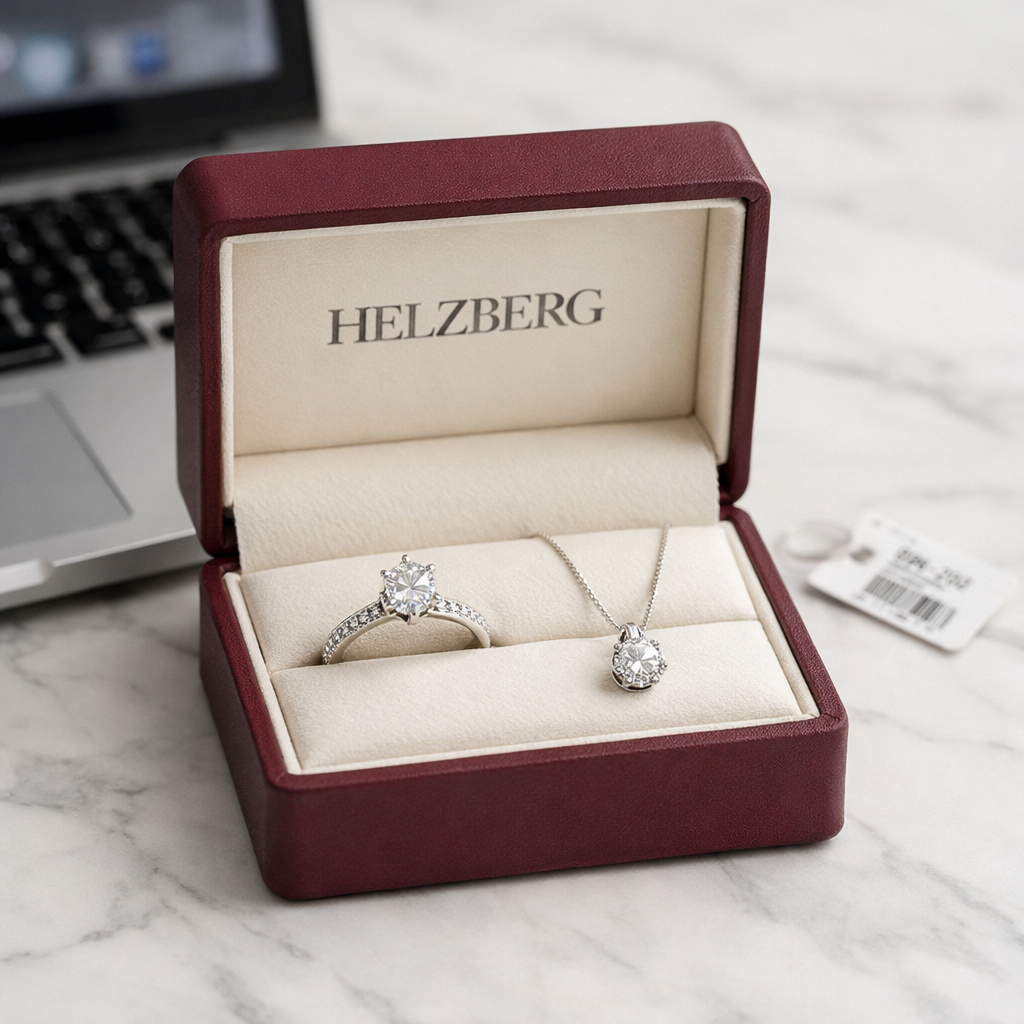
Helzberg Diamonds Review 2026: Is It Worth Your Money?
If you’re scanning Helzberg reviews to decide whether to buy in 2026, here’s the short answer: Helzberg delivers convenience, a wide national footprint, and design-forward lab-grown options, but value and transparency vary by collection and channel. In-store shoppers who want guidance and trend-right styles will likely be happy. Spec-focused diamond buyers, especially those optimizing cut quality and certification, should compare like-for-like pricing and documentation before committing. Below, we break down quality, certification, pricing, policies, and how to shop Helzberg the smart way.
Snapshot verdict
Bottom line: Helzberg is a century-old, Berkshire Hathaway–owned retailer with 160+ stores and growing lab-grown assortments, making it accessible and convenient (see Helzberg’s proposal survey for corporate background). An independent review found a two-tier inventory and meaningful premiums, including a roughly 27% example gap on a discounted 2 ct solitaire versus online comparators. Transparency online can be limited, with fewer filters and imagery for stones than specialists, making in-person selection safer. For any big-ticket purchase, Jewelry Guidebook advises an apples-to-apples comparison of specs, labs, and imagery before you buy.
Worth it if:
- You want in-person guidance, on-trend settings, and same-day pickup/financing.
- You value colored or elongated lab-grown center stones with a designer-forward look.
- You prefer a familiar brand with a national service footprint.
Not ideal if:
- You need loose diamonds and granular cut specs, videos, and advanced filters.
- You’re maximizing strict grading value (e.g., GIA/AGS for natural; IGI/GIA for lab-grown).
- You’re minimizing premiums versus online specialists through like-for-like comparison.
Value per carat means how much optical performance, craftsmanship, and certification quality you receive for each carat you buy. Two diamonds that weigh the same can look and perform very differently depending on cut precision, light return, color, clarity, and the trustworthiness of the grading report.
Brand overview
Helzberg traces its roots back more than a century with a Kansas City headquarters and more than 160 stores nationwide, operating today under Berkshire Hathaway ownership (see corporate details summarized in independent retail coverage). In 2025, the company leaned into an emotional refresh—shifting “from price to passion”—with a modernized identity and storytelling that emphasizes craft and connection over discounts, as covered in MediaPost’s look at Helzberg’s rebrand.
Recent consumer research from Helzberg’s own proposal survey shows a split in how younger shoppers approach engagements: many want a private, intimate “yes,” but increasingly collaborate on the ring later; Gen Z places more emphasis on sustainability, customization, and social research than older cohorts. Together, these signals frame Helzberg as a mainstream, mall jeweler evolving toward sentiment-led design and lab-grown breadth.
Selection and design
Helzberg’s 2026 assortment lines up with macro trends: chunky, gold-forward bands, bold bezels and collets, and elongated shapes like marquise and oval. StyleCaster’s 2026 engagement ring trends spotlight wide-band marquise looks and yellow-toned, elongated cushions—both aesthetics you’ll find echoed across Helzberg cases. Colored lab-grown diamonds (greens, pinks, blues, yellows) are more available too, bringing once-niche hues into reach.
Elongated diamond shapes are proportions (e.g., oval, marquise, elongated cushion) that create more finger coverage for the same carat weight, often appearing larger face-up than round counterparts of similar weight.
What to expect in-store:
- Chunky, gold-forward bands and bezel settings
- Clean oval and marquise solitaires with slim or wide shanks
- Colored lab-grown center stones in green, pink, blue, and yellow for playful, fashion-first looks
Diamond quality and certification
Third-party reviewers describe a “two-tier” Helzberg inventory: mall-grade stones and branded upper-tier collections (e.g., Masterpiece), with list prices that can sit above online specialists. One published head-to-head showed a discounted 2.00 ct solitaire still about 27% higher than a comparable online option, underscoring the need to compare carefully.
Certification varies by item. While you can find pieces with strict grading from top labs, others may use labs with looser standards, which can make a diamond appear better on paper than it would under GIA-equivalent scrutiny. That gap affects both how the stone looks and what you pay. At Jewelry Guidebook, we prioritize strict labs to keep comparisons fair and pricing grounded in reality.
Diamond certification is an independent lab report that documents a stone’s identity and quality—typically listing cut, color, clarity, carat weight, measurements, proportions, and any treatments. Stricter labs (for natural: GIA/AGS; for lab-grown: IGI/GIA) offer tighter grading tolerances, which improves apples-to-apples comparisons and helps protect resale and trade-in value.
Cut matters most. A well-cut 1.00 ct can outshine a poorly cut 2.00 ct thanks to superior light return and contrast, a dynamic confirmed across enthusiast and trade coverage, including Pricescope’s ongoing trends commentary.
How the 4Cs impact what you see and pay:
| Factor | What it affects | Visual impact | Price impact | What to prioritize |
|---|---|---|---|---|
| Cut | Light return, brilliance, fire | Highest: sparkle, life, face-up brightness | High | Prioritize excellent/ideal cut and proven proportions |
| Color | Body tint | Medium: warmth vs. icy look | Moderate to high | Choose near-colorless ranges that look white in your metal |
| Clarity | Inclusions/blemishes | Low to medium: eye-cleanliness | Moderate | Target eye-clean; avoid visible or durability-impacting inclusions |
| Carat | Weight/size | High: finger coverage | Very high (price jumps at thresholds) | Optimize spread without sacrificing cut quality |
Lab grown vs natural at Helzberg
Helzberg has leaned into lab-grown center stones—including elongated cushions and saturated colors—making bolder styles more accessible in 2026.
Lab-grown diamonds share the same crystal structure and hardness as natural diamonds but are created in a controlled environment using HPHT or CVD. They typically cost less per carat, enabling larger or higher-clarity/color looks for the same budget.
Pros of lab-grown at Helzberg:
- Larger or more colorful center stones for the money
- Trend-forward designs (elongated shapes, vivid hues) in stock
- Easier to find eye-clean looks within budget
Cons to weigh:
- Weaker long-term resale/trade-in dynamics than natural
- Certification diligence still matters; look for IGI or GIA reports on lab-grown
- Rapid market price shifts can affect perceived value over time
Jewelry Guidebook’s buying guides break down these trade-offs in plain terms.
Pricing and value for money
Independent analyses note that Helzberg list prices can carry premiums versus online specialists; even advertised discounts don’t always translate to best-in-class value. The 27% delta cited above on a discounted 2 ct solitaire is a useful reminder to compare like for like, not just carat weight and promotional pricing.
Price-per-carat is the stone’s price divided by its weight, a quick yardstick for budget planning. It’s useful but incomplete—without matching cut quality, certification strictness, and eye-cleanliness, lower price-per-carat can still mean weaker performance.
A quick like-for-like checklist:
- Match cut parameters and the grading lab on both stones.
- Match carat, color, and clarity (and confirm eye-clean status).
- Review magnified photos/360° video and proportions/angles.
- Compare return windows, shipping liability, and upgrade fees.
Online shopping experience
Online, Helzberg typically does not offer loose diamonds and often limits filtering to carat size, with fewer options to filter by cut, color, or clarity and less consistent stone-level imagery. That raises risk on cut quality and can hide clarity nuances you’d see in magnified video.
Before buying online:
- Request close-up images/video and the full grading report (with proportions).
- Confirm delivery method and signature requirement.
- Inspect on arrival in multiple lighting environments and photograph any issues immediately for documentation.
When stone-level details are sparse, the safest path, and the one we recommend at Jewelry Guidebook, is to view in person or pivot to options with complete reports and robust media.
Store experience and service
Helzberg’s nationwide footprint makes it convenient, but in-store experiences can vary by location and advisor. Public reviews point to a mix of praise for friendly staff and critiques around operational execution—shipping delays, unattended deliveries, unexpected repair charges, and uneven communication show up in consumer feedback on Trustpilot.
To protect yourself, document everything:
- Get written quotes and policies; save receipt photos.
- Agree on service timelines and contact points.
- Inspect and sign off on stone condition and setting integrity at pickup.
Policies and protections
Helzberg’s scale means complaints and escalations generally route to a centralized corporate team, as reflected in BBB complaint records. That structure can help with resolution tracking—but only if you keep thorough documentation.
Lifetime warranty vs care plan: A warranty typically covers manufacturing defects in materials or workmanship; a paid care plan often adds routine services like inspections, cleanings, and some repairs. Both commonly exclude wear-and-tear, loss, or damage from impact. Inspections at set intervals may be required to keep coverage active.
Before paying, get in writing:
- Return window, restocking or special-order exclusions
- Repair pricing ranges and approval steps
- Shipping liability and insurance for repairs or returns
Who Helzberg is best for
- Shoppers who want in-person guidance, financing, and an easy service path across a national store network.
- Buyers prioritizing trend-forward designs—chunky bands, bezels, elongated shapes, and colored lab-grown center stones.
- Gift buyers who need same-day pickup from a familiar mall jeweler.
Example scenarios:
- Choosing a yellow lab-grown elongated cushion in a chunky bezel with store sizing support.
- Upgrading a classic solitaire in person, comparing two ring profiles under case and natural lighting.
Who should look elsewhere
- Buyers who want loose diamonds and granular control over cut specs, angles, and light performance imagery.
- Shoppers who insist on strict grading (GIA/AGS for natural; IGI/GIA for lab-grown) plus extensive 360° video before purchase.
- Value maximizers seeking the lowest premiums via transparent online filtering and large virtual inventories.
Jewelry Guidebook offers resources to help you vet online-first options and compare true like-for-like value.
How to shop Helzberg the smart way
- Ask for the full grading report (prefer GIA/AGS for natural; IGI/GIA for lab-grown) and verify report numbers online with the lab.
- Request close-up photos/video and proportions; avoid carat-only comparisons.
- Compare 2–3 like-for-like options to gauge fair pricing.
- Get all policies (returns, repairs, shipping, sizing) in writing.
- Inspect under store lights and daylight; check prong security and finish before you leave.
Quick elongated tip: For ovals and elongated cushions, a length-to-width ratio around 1.35–1.50 often delivers a balanced, elegant look without appearing overly narrow. Jewelry Guidebook’s step-by-step checklist mirrors these points so you can document each option.
Alternatives to consider
If you don’t buy at Helzberg, look for: Start by using Jewelry Guidebook’s independent buying guides to identify retailers that meet these criteria.
- Loose-diamond marketplaces with robust filters (cut, color, clarity) and 360° video.
- Strict grading standards (GIA/AGS for natural; IGI/GIA for lab-grown) visible before checkout.
- Transparent upgrade/return policies and tools that reveal price-per-carat and cut proportions.
360° diamond video is a rotatable, magnified view that shows inclusions, light return, and symmetry in motion—dramatically reducing guesswork compared with static photos.
Care and maintenance tips
- Clean at home every 1–2 weeks: soak in warm water with a drop of non-abrasive dish soap, gently brush with a soft toothbrush, rinse, and dry with a lint-free cloth.
- Schedule professional inspections every 6–12 months (especially for pavé/halo); recheck prongs after any impact or resizing.
- Store pieces separately in soft pouches, remove jewelry for the gym/household chemicals, and insure high-value items.
Frequently asked questions
Are Helzberg diamonds good quality?
Quality is mixed across collections. Jewelry Guidebook recommends prioritizing cut, verifying the grading lab, and reviewing images or video before you buy.
Does Helzberg sell GIA or AGS certified diamonds?
Yes, some pieces carry GIA/AGS (natural) or IGI/GIA (lab-grown); others use different labs. Jewelry Guidebook suggests asking for the report number and verifying it directly with the lab.
Is lab grown diamond jewelry from Helzberg a good value?
It can be for on-trend styles and color at lower prices than natural. Compare like-for-like specs and certification—Jewelry Guidebook’s checklists make this easier.
What is the return and warranty policy like?
Policies vary by item and plan. Get them in writing—Jewelry Guidebook advises confirming windows, fees, inspections, and who carries shipping liability.
How do I avoid common issues when buying from a mall jeweler?
Verify the grading report, request close-up media, compare identical specs, and document service terms. Jewelry Guidebook also recommends inspecting the ring in multiple lighting before you leave.