How to Buy Loose Moissanite Online Without Sacrificing Quality
How to Buy Loose Moissanite Online Without Sacrificing Quality
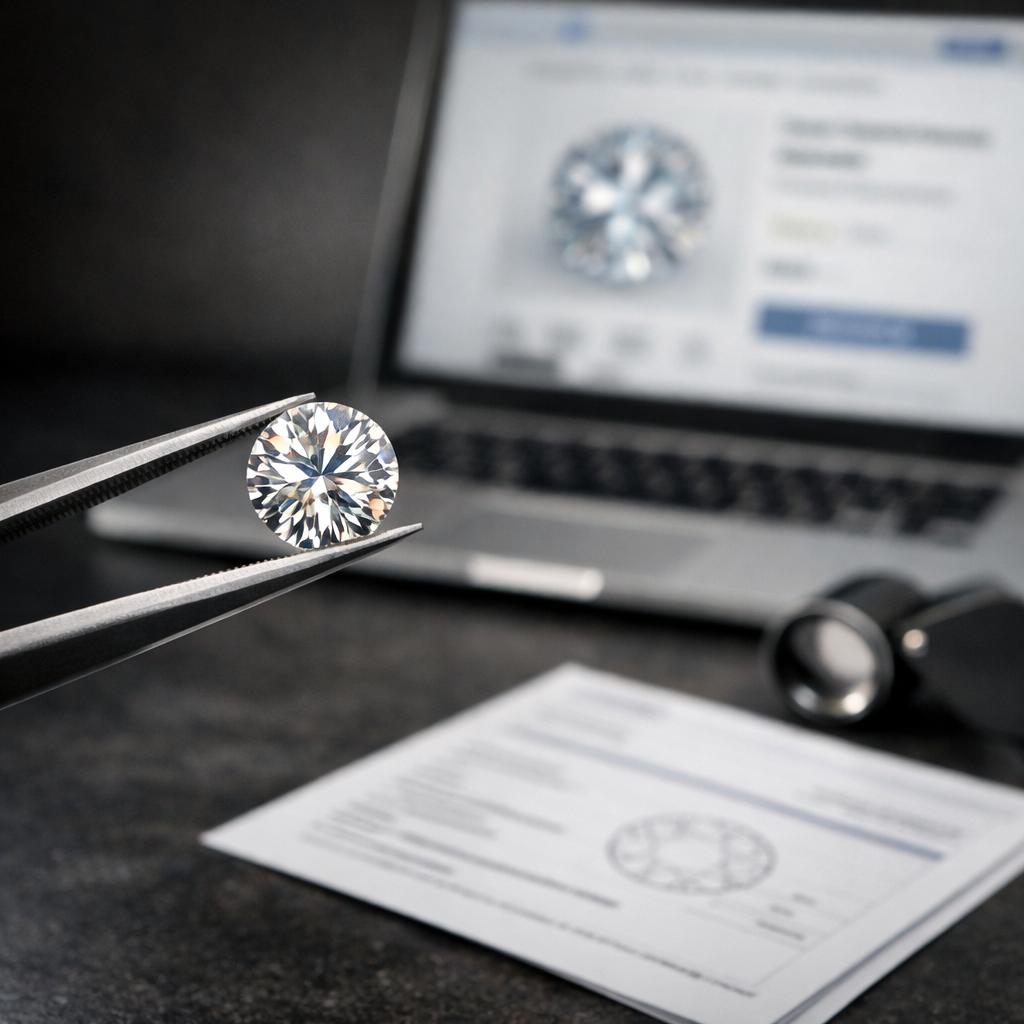
Shopping for a loose moissanite online can be straightforward—and safe—when you know what to check. The fastest path to a great stone is to set a clear goal, translate the 4Cs to moissanite, vet sellers and provenance, insist on 360 video, and lock in buyer-friendly policies. Moissanite delivers diamond-like sparkle at a fraction of the cost, so you can stretch your moissanite budget without giving up on beauty or durability. This Jewelry Guidebook guide walks you step by step, with side-by-side checks, shape and size tables, and retailer policy tips to help you buy with confidence.
Start with a clear goal and budget
Define your target in a single sentence so every decision stays aligned—for example: “1.5 ct-equivalent round, colorless, eye-clean for a solitaire in 6 weeks.” Use price per carat to frame your search: moissanite typically ranges from $300–$1,500 per carat, while comparable diamonds commonly run roughly $3,000–$15,000 per carat, underscoring moissanite vs diamond value gaps (see Jewelry Guidebook’s best place to buy moissanite guide for price context and buying checkpoints). Prioritize the attributes most visible to the eye—cut quality, millimeter size, and color—so you don’t overpay on specs with minimal visual benefit, especially when engagement ring planning on a deadline.
Know the moissanite 4Cs and how they differ from diamonds
Moissanite is a lab-created gemstone with diamond-like sparkle, measuring about 9.25 on the Mohs hardness scale and featuring a refractive index of 2.65–2.69, which produces more fire (rainbow flashes) than diamond (see Jewelry Guidebook’s ultimate guide to buying moissanite stones). Apply the familiar 4Cs—cut, color, clarity, carat—when you buy, with a few differences: most commercial moissanite is lab-grown, widely available in colorless/near-colorless grades, and typically shows very high clarity; you should expect more colorful fire than diamond (see Jewelry Guidebook’s how to choose a moissanite stone and Charles & Colvard’s guide).
Cut and facet styles
Cut controls brilliance (white light), fire (color light), and the on/off “sparkle” pattern.
- Diamond-cut vs crushed ice: “Diamond-cut” (well-ordered facets) yields crisp, bright flashes; “crushed ice” scatters light for a soft, glittery look. Round brilliant remains the most popular for maximum sparkle, while ovals, cushions, pears, marquise, emerald, and princess shapes offer distinct personalities (see Charles & Colvard’s guide).
- Branded options: Some branded lines aim to mimic diamond-like brilliance closely; others offer custom-cut choices across shapes and sizes (browse Debebians’ loose moissanite selection to see branded inventory breadth).
Common shapes at a glance:
| Shape | Typical facet style | Look (brightness vs fire) | Best-use notes |
|---|---|---|---|
| Round | 57/58-facet brilliant | Highest balance; strong sparkle and fire | Versatile; classic solitaires and halos |
| Oval | Brilliant or crushed ice | Bright with elongated outline; mild bow-tie | Slenderizing; great in solitaire or halos |
| Cushion | Cushion brilliant/crushed ice | Broader flashes (brilliant) or glittery (ice) | Soft corners; vintage to modern looks |
| Pear | Brilliant | Bright tip-to-base flashes; some bow-tie risk | Elongates; pair with protective setting |
| Marquise | Brilliant | Dramatic length; pronounced scintillation | Max spread; mind bow-tie and prong protection |
| Emerald | Step-cut | Bold, mirror-like flashes; less fire overall | Highlights clarity; elegant, understated shine |
| Princess | Brilliant (square) | Strong edge-to-edge brightness | Sharp corners; consider robust pronging |
Color and tint management
For a diamond-like look, lean colorless or near-colorless (DEF). Charles & Colvard’s Forever One is known for D–E–F availability (see Charles & Colvard’s guide). Because market moissanite skews colorless/near-colorless, color still affects price and appearance—white metals (platinum/white gold) show tint more readily, while yellow/rose gold can mask warmth. Always compare videos under daylight and warm indoor light to gauge any tint shift.
Clarity and eye-clean standards
“Eye-clean” means no visible inclusions to the unaided eye at normal viewing distance. Most quality moissanite is VVS or better and appears eye-clean; inclusions are generally less of a concern than with many diamonds (see Jewelry Guidebook’s how to choose a moissanite stone). Still, verify with high-resolution photos and 360 or on-hand videos to ensure there’s no cloudiness or “haze.”
Carat, size, and millimeter dimensions
Moissanite can weigh about 10% less than diamonds for similar dimensions, so shop by millimeter measurements and depth for true face-up size (see Jewelry Guidebook’s ultimate guide to buying moissanite stones). Millimeter dimensions are the physical length, width, and depth that dictate how large the stone looks in a setting.
Quick visual-size guide (approximate diamond-equivalents):
| Shape | Millimeter size | Diamond-equivalent visual size |
|---|---|---|
| Round | 6.5 mm | ≈ 1.0 ct |
| Round | 7.0 mm | ≈ 1.25 ct |
| Round | 7.5 mm | ≈ 1.5 ct |
| Round | 8.0 mm | ≈ 2.0 ct |
| Oval | 8 × 6 mm | ≈ 1.5 ct |
| Oval | 9 × 7 mm | ≈ 2.0 ct |
| Oval | 10 × 8 mm | ≈ 3.0 ct |
Actual appearance varies by cut quality and depth.
Shortlist reputable sellers and branded supply
Use Jewelry Guidebook’s buyer checklists to standardize your review. Begin with retailers that carry recognizable branded stones such as Charles & Colvard, Harro Gem, and Kori; brands bring consistency and clearer specs (see Debebians’ loose moissanite selection for an example of branded sourcing). Look for specialty sellers with strong cross-platform reviews and responsive support (IceCartel’s overview of top moissanite jewelers outlines signals of reputable operations). Marketplaces like Etsy can be cost-effective and customizable—filter by location, reviews, and listing detail (see the Lavender Vine’s roundup of moissanite ring sites).
Verify specs, grading, and provenance
Confirm documented specs before you buy: cut/facet style, exact millimeter dimensions, color grade, clarity, and the brand/line (e.g., Forever One, Harro Gem, Kori), plus any lab or vendor grading. Prefer sellers that disclose the producer and provide grading documentation where available (see Debebians’ loose moissanite selection for how specs are commonly presented). “Provenance refers to the documented origin of a gemstone, including the brand/producer and any grading or batch identifiers that allow independent confirmation of quality.” A simple Jewelry Guidebook comparison sheet helps you capture these details consistently.
Inspect images and video before you buy
Require high-resolution photos and 360° moissanite video (ideally stone-on-hand) to evaluate brilliance, facet pattern, and any tint in multiple lighting conditions. Comparing same-shape, same-size stones side by side is the fastest way to judge your preferred balance of fire vs brightness (see Jewelry Guidebook’s best place to buy moissanite guide for why 360 imaging matters).
Confirm policies that protect your purchase
Before checkout, verify return windows, warranty coverage, repair options, shipping insurance, and customer service responsiveness. Keep copies of the listing and correspondence; clear policies and documentation prevent headaches (see IceCartel’s overview of top moissanite jewelers for policy red flags to avoid). Jewelry Guidebook’s policy checklist covers the essentials.
Returns and exchanges
Check eligibility, time limits, any restocking fees, and the required condition for returns. Document your unboxing with timestamps and photos/videos to streamline an exchange or refund.
Warranty and repair
Understand what defects are covered, duration, and whether coverage applies before and after setting. Favor retailers with transparent warranty terms and responsive support (see IceCartel’s overview of top moissanite jewelers).
Shipping, insurance, and documentation
Use insured, tracked shipping and retain invoices, any grading notes, and a video of the item’s condition upon receipt (reinforced in Jewelry Guidebook’s best place to buy moissanite guide). For wholesale or bulk buys, verify MOQs, tiered pricing, shipping costs, and insurance in advance (see Jewelry Guidebook’s wholesale moissanite deals primer).
Compare stones side by side and request additional proof
Narrow to 2–4 finalists, then compare specs and videos head to head. Ask for additional lighting videos, magnified photos, and any producer tags or grading numbers if available. A Jewelry Guidebook side-by-side template makes this easier.
| Candidate | Brand/Line | Shape & size (mm) | Cut style | Color | Clarity | Price | Return/Warranty notes |
|---|---|---|---|---|---|---|---|
| Stone A | Brand X | Round 7.5 mm | Diamond-cut | D–E | VVS | $— | 30-day returns; 1-year manufacturing |
| Stone B | Brand Y | Oval 9 × 7 mm | Brilliant | F | VVS | $— | 14-day returns; lifetime defect |
| Stone C | Brand Z | Cushion 7.0 mm | Crushed ice | E–F | VS–VVS | $— | 21-day returns; 6-month defect |
Place the order with secure, documented payment and tracked shipping
Use secure payment methods with purchase protection. Confirm final specs in writing (invoice or email), request insured, tracked shipping, and save the product page as a PDF. Film the package condition upon arrival (see Jewelry Guidebook’s best place to buy moissanite guide for checkout safeguards).
Inspect on arrival and keep records
- Unbox on video and keep all packaging.
- Verify millimeter dimensions with calipers and confirm color/clarity appearance and facet pattern match the listing.
- Compare under daylight, diffused indoor light, and warm LED.
- File invoices, grading notes, and any serial/brand info with your photos and unboxing video for future service or resale.
Practical tradeoffs and how to prioritize
Moissanite offers diamond-like sparkle at a fraction of the cost, with even more fire due to its higher refractive index; at ~9.25 Mohs, it stands up to everyday wear (see Jewelry Guidebook’s ultimate guide to buying moissanite stones and Charles & Colvard’s guide). Prioritize based on your goal:
- Tight budget: maximize cut quality and target millimeter size; accept near-colorless.
- Diamond-like look: choose DEF, a diamond-cut facet pattern, and eye-clean clarity.
- Unique look: explore fancy shapes or crushed-ice cushions/ovals. As a lab-created stone, moissanite is widely promoted as an ethical, eco-conscious alternative through branded supply chains (see Debebians’ loose moissanite selection).
Care and maintenance to keep brilliance
- Clean with warm water, mild soap, and a soft brush; rinse and dry with a lint-free cloth (see Jewelry Guidebook’s ultimate guide to buying moissanite stones).
- Moissanite tolerates everyday wear and high temperatures, but avoid harsh chemicals. If your stone will be set with delicate side stones, skip ultrasonic cleaners unless your jeweler approves.
Frequently asked questions
Is moissanite certified and how do I verify authenticity?
Buy from reputable retailers who disclose full specs (brand/line, color, clarity, dimensions) and provide grading documentation; verify producer names and review high-resolution images and 360 videos before purchase. Jewelry Guidebook’s checklists walk you through these verifications.
Which moissanite color grade looks most like a diamond?
Colorless or near-colorless (DEF) looks most diamond-like; pair with white metals for an icy look, or choose yellow/rose gold to soften any warmth. Jewelry Guidebook explains how metal color influences perceived tint.
What shapes and cuts show the most sparkle?
Round brilliant typically delivers the most overall sparkle; diamond-cut facets in ovals, cushions, and pears emphasize brightness, while crushed-ice styles trade crisp patterning for a soft glitter. Jewelry Guidebook’s cut guides show examples across shapes.
Does moissanite look different from lab diamonds in real life?
Yes—moissanite shows more “fire” (color flashes), while diamonds emphasize white light return; pick based on which look you prefer. Jewelry Guidebook’s comparisons can help you decide which look you prefer.
How should I clean and care for a loose moissanite before setting?
Use warm water, mild soap, and a soft brush, then rinse and pat dry with a lint-free cloth; store in a soft pouch and avoid harsh chemicals until it’s set. Jewelry Guidebook’s care guide outlines these basics.