How to Find Honest 4C Certifications and Truly Top-Rated Diamonds
How to Find Honest 4C Certifications and Truly Top-Rated Diamonds
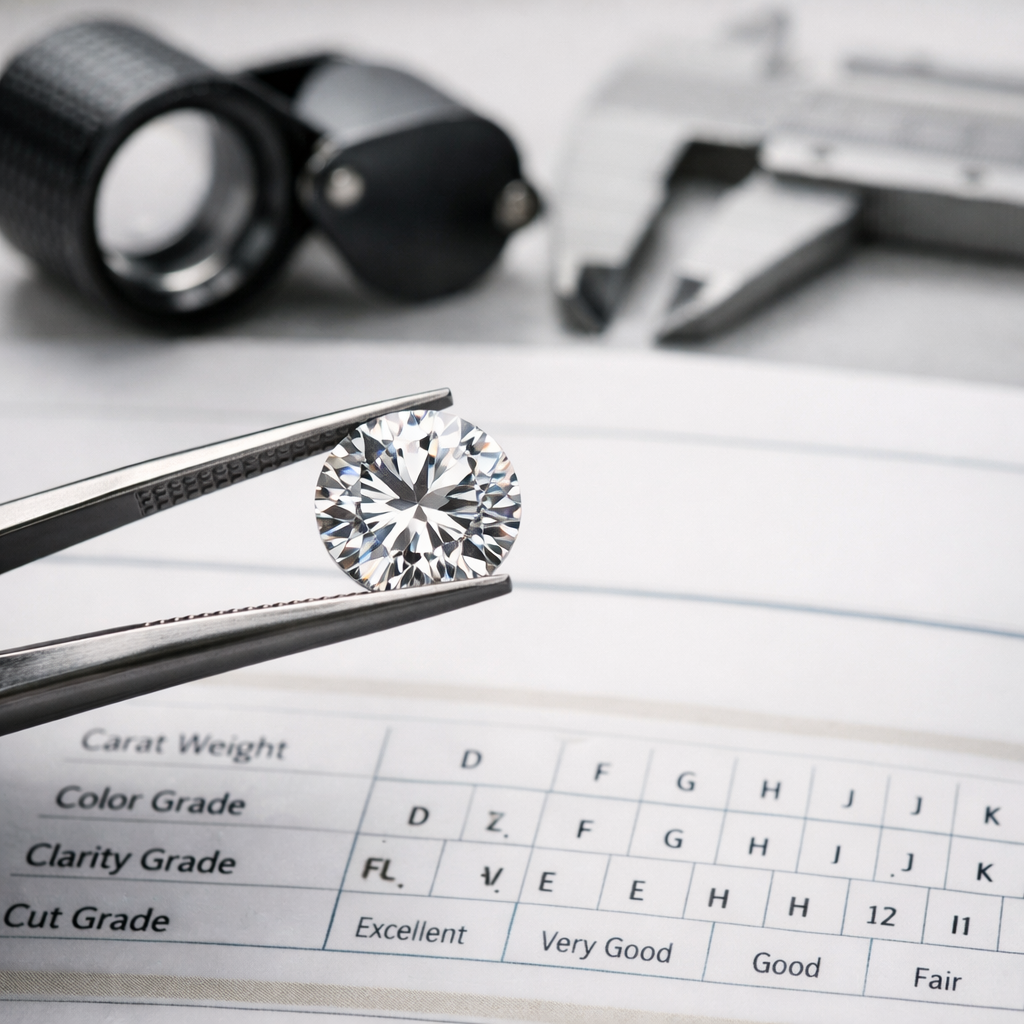
Finding truly top-rated diamonds starts with honest, verifiable grading. Prioritize stones carrying independent lab reports (GIA or IGI), then verify the report number and match it to the physical diamond. Choose retailers that show transparent imaging—360° videos, magnified photos, and optional ASET/Idealscope—plus clear return and upgrade policies. This Jewelry Guidebook guide shows you how to set a smart budget, decode the 4Cs, pick trustworthy labs and report types, verify a certificate, and judge real light performance. Use the step-by-step checks, value ranges, and side-by-side comparison tips below to quickly narrow the field—and buy with confidence.
Start with your priorities and budget
Start with what matters most to you—sparkle, size, color, clarity—and lock a hard ceiling for your engagement ring budget. Rank the 4Cs by impact on what you see: cut first for sparkle and light return, carat for presence, then color and clarity based on your sensitivity and the metal color of the setting. Prioritizing cut often enhances beauty more than spending on higher color or clarity grades, a point echoed by industry primers on the 4Cs that highlight cut’s role in light performance.
To stretch your budget, target near-threshold carat weights—like 0.90–0.95ct instead of 1.00ct—for a similar face-up look at a lower price, a common diamond budgeting strategy recommended in practical buying guides.
For best results, shortlist a few candidates within the same budget and cut grade, then compare them side by side using consistent imagery. Jewelry Guidebook’s printable buying checklist helps you set priorities and a firm budget.
Learn the 4Cs and why cut matters most
Cut: A diamond’s cut evaluates proportions, symmetry, and polish, governing how efficiently it returns light to your eye. When angles and facets are aligned, you see strong brightness, vivid fire, and lively scintillation. Because cut controls light performance, it often outweighs higher color or clarity for overall beauty.
Color: Color is graded from D (colorless) to Z (noticeable tint). Many buyers prefer near-colorless ranges that face up white in common settings while costing less than colorless grades. Guides to the 4C chart consistently note that near-colorless stones can look “white” on the hand with thoughtful selection.
Clarity: Clarity measures internal inclusions and external blemishes at 10x magnification; eye-clean grades like VS1–VS2 typically hide inclusions to the unaided eye. This 10x standard is the basis of global grading practices and helps you focus on what’s visible rather than microscopic.
Carat: Carat measures weight (1.00ct = 0.2g). Two diamonds of the same carat can appear different in size due to cut and shape: shallow or deep stones may face up smaller, and elongated shapes can look larger than round at the same weight.
Cut is often the most important C because it determines brilliance and sparkle; reputable education resources emphasize cut as the main driver of visible performance.
Table: what to prioritize by C
- Cut: Aim for Excellent/Ideal grades, balanced proportions, and strong optical symmetry for lively sparkle.
- Color: Near-colorless (G–H) often appears white in most settings; adjust for metal color and personal sensitivity.
- Clarity: Target eye-clean (VS1–VS2) and confirm with images/video rather than paying for invisible perfection.
- Carat: Consider sub-threshold weights to maximize size-for-spend without obvious visual loss.
Choose trustworthy grading labs and the right report
GIA founded the modern 4C standard and remains widely regarded for consistent, independent grading and documentation. A diamond grading report is an independent lab document assessing cut, color, clarity, and carat, often with plotted clarity diagrams, a proportions graphic, and a unique report number—use it to compare stones objectively and support insurance and legal documentation.
GIA Diamond Grading Reports include plotted diagrams and proportion graphics; GIA Diamond Dossiers (typically 0.15–<2.00ct) omit the plot but include a laser inscription. For laboratory-grown diamonds, GIA introduced redesigned digital reports with QR codes in 2020, and IGI is broadly used in the lab-grown market—both clearly label origin. Reputational differences exist across labs and past overgrading controversies have reinforced why buyers should favor top-tier laboratories for reliable results.
Verify the certification and match it to the stone
Here’s how to verify 4C diamond certification from GIA or IGI and ensure the report belongs to your stone:
- Use the lab’s online database (for example, GIA Report Check) to confirm the report number and key grades.
- Find the laser-inscribed number on the diamond’s girdle and match it to the certificate; GIA Dossiers standardize this inscription.
- Confirm core specs match: shape, carat weight, measurements, and any listed fluorescence.
Why it matters: independent certificates increase transparency, deter fraud, and are commonly required for jewelry insurance coverage.
Laser inscription: a microscopic engraving on the diamond’s girdle—often the report number—linking the physical stone to its certification and helping prevent counterfeiting.
Evaluate proportions and light performance beyond the report
Reports document grades, not beauty. Ask for full measurements and angles—depth and table percentages, crown and pavilion angles, and symmetry/polish details—and review real imagery: consistent 360° videos, stills under diffuse and spot lighting, and optional ASET/Idealscope to visualize light return. Two diamonds with identical grades can look very different, so judge with your eyes whenever possible. Enthusiasts seeking peak precision may consider Hearts & Arrows patterns as a signal of top optical symmetry. Jewelry Guidebook’s quick cut-quality check offers practical target ranges to pre-screen options.
Cut diagnostics to review
- Brightness/contrast: Even, bright return with balanced contrast; avoid dull or washed-out areas.
- Light leakage (ASET/Idealscope): Minimal white or pale areas; strong reds/greens indicate good return.
- Arrows pattern (rounds): Crisp, uniform arrows in 360° video; minimal twisting or bending.
- Symmetry/polish: Excellent/Excellent aids consistent light behavior.
- Proportions harmony: Crown/pavilion angle pairing supports brightness and fire; avoid extremes that create leakage.
Compare stones side by side and trust your eyes
Line up two to four finalists within the same budget and top cut grade. Compare videos shot at identical angles and lighting to judge brightness, colored fire, scintillation, and inclusion visibility. Reports narrow the field, but your eyes make the final call because look-alike grades can perform differently. The Jewelry Guidebook diamond comparison worksheet standardizes apples-to-apples reviews.
Online viewing checklist
- 360° videos in standardized lighting and neutral backgrounds
- High-resolution stills at multiple angles and magnifications
- Optional ASET/Idealscope and Hearts & Arrows imagery for rounds
- Clear inclusion callouts tied to the report plot (when available)
In-person viewing checklist
- Diffused daylight, spot lighting, and mixed environments
- Loupe inspection to locate inclusions relative to the plot
- Finger test in the intended metal color to judge face-up color
- Compare side by side against your short list
Balance value with smart ranges for color and clarity
For most buyers, near-colorless G–H delivers a white-on-hand look without paying a premium for D–F. VS1–VS2 is frequently eye-clean and avoids spending on invisible clarity upgrades; confirm with images/video for your specific stone. Always keep cut at Excellent/Ideal to maximize face-up beauty.
Value matrix
- Color: G–H (I can work in yellow or rose gold).
- Clarity: VS1–VS2 for eye-clean; verify with magnified imagery.
- Carat: Consider 0.90–0.95ct, 1.80–1.90ct, etc., to avoid price jumps.
- Cut: Excellent/Ideal with strong symmetry/polish.
Decide between natural and lab-grown with clear labeling
A lab-grown diamond is created by HPHT or CVD processes and has the same crystal structure and optical properties as natural diamond; differences lie in origin and trace elements. Modern reports explicitly state “Laboratory-Grown,” and lab databases let you verify report numbers just like natural stones. GIA and IGI both grade lab-grown; GIA’s updated digital LGD reports include QR codes for easy verification, and IGI is widely used in the LGD market.
Confirm ethics, provenance, and the fifth C
The fifth C—Conscience—reflects origin, traceability, and social/environmental impact. Buyers increasingly seek documented provenance and transparent supply chains as part of quality and confidence, and retailers are responding with clearer origin disclosures and traceable diamonds. Provenance can influence future regulation and resale dynamics; request origin information when available and favor transparent sellers.
Protect your purchase with policies, appraisal, and insurance
Before you buy, review retailer policies: return/exchange windows (at least 14–30 days is common), warranty coverage, free resizing, and any lifetime upgrade program. After purchase, obtain an independent appraisal, then insure the piece using the lab report and appraisal; many insurers require a certificate for coverage or replacement documentation. Keep all paperwork (report, invoice, images) together.
When and how to get an independent second opinion
For high-value purchases or if visuals and grades don’t align, consider a recheck by an independent gemologist or reputable lab. Verify the report number online first; then arrange local verification under the microscope or ship the stone to the issuing lab for confirmation. Third-party documentation supports legal, customs, estate, and valuation needs over time.
Jewelry Guidebook worksheets and checklists to streamline your search
- Printable buying checklist: priorities and budget, lab selection, certificate verification, proportions review, side-by-side comparisons, ethics/provenance, and insurance steps.
- Diamond comparison worksheet: fields for report number, measurements and angles, images/video links, eye-clean status, price-per-carat, and notes.
- Quick cut-quality check: target ranges for depth/table, angle harmony, and symmetry; plus a value ranges reference card for color, clarity, and carat thresholds.
Frequently asked questions
What is the most reliable diamond certification for honest 4C grading?
Top-tier, independent labs that established the modern 4C standard are the most reliable; always verify reports online. Jewelry Guidebook’s guidance prioritizes those labs for consistency.
How do I verify a certificate number and laser inscription?
Use the lab’s online database to confirm the report number, then match the laser inscription on the girdle and cross-check carat and measurements. Jewelry Guidebook’s checklist helps you track each step.
What 4C ranges deliver the best value without visible trade-offs?
Aim for Excellent/Ideal cut, G–H color, and VS1–VS2 clarity, and consider just-below carat thresholds (e.g., 0.90–0.95ct). Jewelry Guidebook’s value matrix above summarizes this.
How can I judge light performance online without seeing the diamond in person?
Rely on consistent 360° videos, review proportions and symmetry, look for bright, even return with crisp facet patterning and minimal leakage, and consider Hearts & Arrows precision if symmetry matters to you. Jewelry Guidebook’s online viewing checklist keeps the review consistent.
Do lab-grown diamonds need different certifications or grading standards?
Yes—reports must clearly state “Laboratory-Grown,” and you can verify report numbers online just like natural diamonds. Look for clear origin labeling and digital verification; Jewelry Guidebook explains both in this guide.