Is VRAI Worth It? An Honest Review of Diamonds, Service
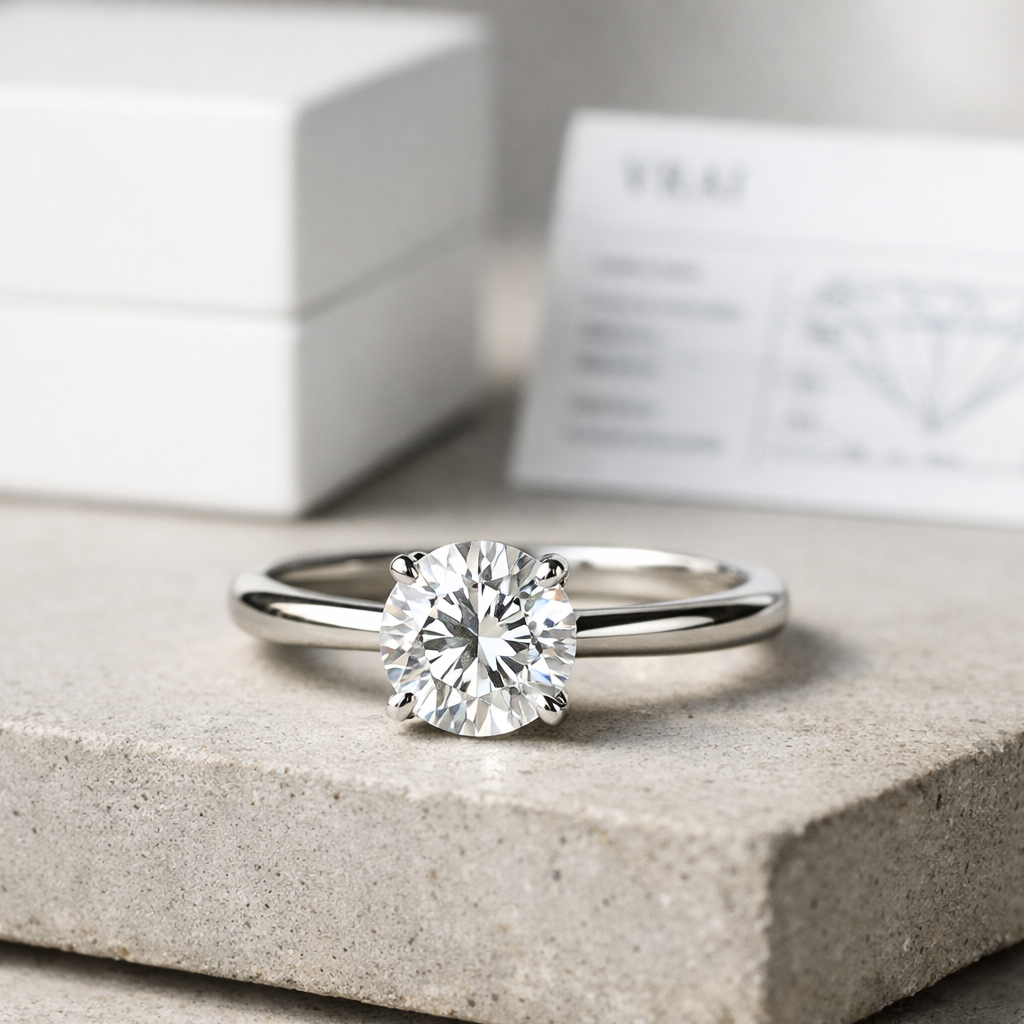
Is VRAI Worth It? An Honest Review of Diamonds, Service
VRAI is one of the best-known names in lab-grown diamonds, blending minimalist design with a polished, modern-luxury shopping experience. So, is VRAI worth it? For buyers who value clean aesthetics, tight provenance claims, and a streamlined online journey, VRAI can deliver—at a premium compared to many lab-grown competitors. Independent reviewers and real buyers praise sparkle and settings, yet service and return experiences can vary, so policies matter. In this Jewelry Guidebook review, we summarize what VRAI sells, how its diamonds perform, where sustainability claims stand, and what VRAI customer service looks like today, so you can decide with confidence.
Quick verdict
VRAI suits buyers who want minimalist design, verified provenance for lab-grown diamonds, and a premium brand experience, while accepting higher pricing and variable customer service touchpoints (per recent VRAI reviews and forum reports). If you’re asking “is VRAI worth it,” the answer is yes for design-first shoppers—just compare specs across sellers and read the return policy closely, especially around timelines and fees, before you buy, including any VRAI customer service requirements. Jewelry Guidebook’s comparison checklists help you line up specs and policies side by side.
Who VRAI is
VRAI exclusively sells lab-grown diamonds and markets a modern luxury experience that emphasizes design, traceability, and brand polish beyond the stone itself, with collections that favor clean lines, slim profiles, and timeless, delicate settings, as highlighted in a recent long‑form VRAI review. Independent VRAI review (2026)
A lab-grown diamond is a real diamond produced in a controlled environment using HPHT or CVD processes. It has the same crystal structure, hardness, and optical properties as a mined diamond but is grown rather than extracted. Lab-grown stones typically offer lower prices and predictable provenance.
What VRAI sells
VRAI’s range includes engagement rings, wedding bands, fine jewelry, and loose lab-grown diamonds, with signature minimalist silhouettes and delicate settings. The shopping experience is intentionally simple: clear navigation, easy filtering, and straightforward build‑your‑ring tools, as noted in the International Gem Society’s VRAI review. International Gem Society (IGS) VRAI review
For payments, U.S. shoppers typically see financing through services like Klarna or Shop Pay at checkout, which can help with budgeting.
Diamond quality and grading
Multiple reviewers and enthusiasts say VRAI’s diamonds show strong cut quality and lively brilliance, with some positive firsthand reports from buyers who compared stones side by side. A positive Reddit review
Grading practices for lab-grown are evolving. Industry standards and language from major labs (like GIA/HRD) have been updated in recent years; it’s wise to review the current report format, scale, and any comments before purchase, in line with broader transparency trends covered by trade press. Jeweller Magazine’s analysis of diamond industry transparency At Jewelry Guidebook, we recommend prioritizing cut quality and independent lab reports when you evaluate any lab-grown diamond.
How to vet a VRAI stone:
- Confirm the grading lab (e.g., GIA, IGI/AGS) and read the full report.
- Cut: prioritize Excellent/Ideal.
- Color: target near‑colorless; request videos under neutral lighting.
- Clarity: VS2–VVS2 typically yields eye‑clean results in most sizes.
“Diamond grading report: An independent document detailing a diamond’s 4Cs, measurements, and identifying features. It is not an appraisal or a warranty; it’s the quality baseline buyers use to compare stones objectively across retailers.”
Example targets vs. budget impact:
| Spec target | Budget impact notes |
|---|---|
| Excellent/Ideal cut | Biggest driver of sparkle; worth paying for. |
| Color G–H (near‑colorless) | Looks white in most settings; lower cost than D–F. |
| Clarity VS2 | Often eye‑clean; better value than VVS/IF. |
| No to faint fluorescence | Neutral resell perception; strong can be fine if verified eye‑clean. |
| GIA/IGI/AGS report | Enables apples‑to‑apples comparisons and protects value. |
Sustainability and origin claims
VRAI emphasizes traceability and detailed creation data, publicly claiming extensive per‑diamond provenance records (they cite over one billion data points per stone in third‑party coverage), which strengthens its origin narrative (as discussed in the IGS review referenced above). Energy and emissions, however, depend on production inputs. CVD production generally requires about 500–700 kWh per carat; solar‑powered operations can cut emissions by roughly 60%, but only about 12% of producers currently use renewables—so verify the energy source behind any sustainability claim. CaratX’s lab-grown market analysis
Traceability in diamonds means the ability to track a stone’s journey from creation to final product using verifiable data points. Strong traceability helps validate ethical practices, energy sources, and labor standards. Ask for third‑party documentation and energy-source disclosures; trade commentators continue to call for proof‑backed transparency to maintain consumer trust (see Jeweller Magazine linked above). Jewelry Guidebook favors verifiable, proof‑backed sustainability claims over marketing language.
Pricing and value
VRAI is often priced higher than many lab-grown sellers, reflecting design-forward settings, packaging, and brand experience tradeoffs (a frequent theme in independent reviews). A real‑world data point: one buyer reported paying $8,100 to VRAI for their ring—still far less than a mined equivalent they’d been quoted—illustrating how lab‑grown can undercut natural diamonds on price. A Weddingbee discussion
Market context: the global lab‑grown diamond sector reached about $22.45B in 2022 and is projected to grow around 9% CAGR, signaling mainstream adoption and increasingly competitive pricing dynamics. Rapaport’s RDI Supplement
Use Jewelry Guidebook’s simple price/specs checklist when comparing:
- Carat weight and measurements (face‑up size)
- Cut grade and light performance evidence (videos, idealscope where available)
- Color and clarity (eye‑clean confirmation)
- Fluorescence notes
- Grading report (lab, number, issue date)
- Setting metal and workmanship details
- Warranty, return window, and upgrade/trade‑in terms
- Shipping, insurance, resizing, and repair costs
Shopping experience
VRAI’s website is straightforward, with clean navigation that helps first‑time shoppers filter by shape, carat, color, clarity, and price. Virtual appointments are available; some customers have reported preview videos featuring CZ placeholder center stones—often used to visualize proportions and style before a specific diamond is reserved—so confirm the exact stone’s media and report number before paying (a point raised in the Weddingbee thread above).
Practical tips:
- Filter to your 4Cs targets, then sort by cut and price per carat.
- Request neutral‑light videos and full grading reports.
- Add ring sizing at checkout and verify timeline impacts.
- If using financing, note that options like Klarna/Shop Pay are typically U.S.-only and may affect delivery timing if additional verification is needed.
Customer service and policies
Sentiment is mixed. While many praise the smooth buying process, others report frustrations with shipping timelines, communications, and returns; one high‑visibility complaint thread captured the stress of delayed or unclear updates. A Reddit complaint thread Independent reviewers also note that return rules can be complex: loose diamonds often have shorter windows (e.g., 14 days), while fine jewelry can run 21–30 days, with potential fees—so read the exact terms for your item type (as covered by IGS). A recent snapshot showed a 4‑star average based on 78 reviews, suggesting generally positive but variable outcomes. Trustpilot reviews snapshot
Before you buy, Jewelry Guidebook recommends getting in writing:
- Return window and restocking/processing fees by item type
- Resizing limits, costs, and timelines (especially for delicate settings)
- Repair policies, workmanship warranties, and who pays shipping both ways
- Shipping insurance coverage and signature requirements
- Any recycling/trade‑in or upgrade terms and associated fees
Pros and cons
Pros
- Timeless, minimalist aesthetic across VRAI engagement rings and fine jewelry
- Consistent feedback on sparkle and cut quality from enthusiasts and reviewers
- Detailed origin/creation info that strengthens traceability narratives
- Easy site navigation with clear product pages and filtering
- Financing options available for eligible U.S. shoppers
Cons
- Premium pricing versus many lab-grown competitors
- Return windows and potential fees can be confusing
- Mixed reports on shipping speed and service responsiveness
- Concerns from some users about possible review filtering on-site
- Virtual previews may use CZ placeholders unless you request specific stone media
Who VRAI is best for
VRAI fits shoppers who love refined, minimalist design; want lab-grown diamonds with robust provenance narratives; and are comfortable paying a brand premium for a cohesive, high-end experience. Those prioritizing maximum carat-per-dollar, guaranteed white‑glove aftercare, or strong short‑term resale value may prefer to compare alternatives first. For deeper research, see Jewelry Guidebook’s guides on lab‑grown vs. natural diamonds, how to read grading reports, and choosing ring settings.
How to decide if VRAI is worth it for you
- Define your style and metal/setting preferences (e.g., solitaire vs. halo; platinum vs. 18k).
- Set 4Cs targets and request grading reports for each candidate stone.
- Compare 3–5 matched diamonds across sellers for price per carat and cut performance.
- Verify return, resizing, and repair terms in writing (note typical 14‑day loose diamond and 21–30 day jewelry windows).
- Scan recent customer feedback for service responsiveness patterns on third‑party sites.
Quick definition from Jewelry Guidebook: Total cost of ownership (TCO) includes the stone, setting, taxes, shipping/insurance, resizing/repair fees, and any future upgrade or recycling costs. For sustainability fit, ask for traceability documentation and energy‑source disclosures to evaluate the carbon profile behind your stone.
Frequently asked questions
Are VRAI’s lab-grown diamonds the same as natural diamonds in quality?
Yes. Lab-grown diamonds share the same crystal structure and optical properties as mined diamonds. At Jewelry Guidebook, we also see many buyers report excellent sparkle from well-cut VRAI stones.
How does VRAI handle grading and certification for its diamonds?
VRAI provides grading reports for its lab-grown diamonds. Jewelry Guidebook recommends confirming the issuing lab and reviewing the current report format before purchase.
Do VRAI’s sustainability claims meaningfully reduce environmental impact?
They can, especially when production uses renewable energy and traceability is robust. Jewelry Guidebook recommends asking for energy-source details and third‑party documentation to understand your stone’s specific footprint.
What should I know about VRAI’s return, resizing, and repair policies?
Return windows and fees vary by item type; loose stones often have shorter windows than finished jewelry. Jewelry Guidebook recommends confirming timelines, costs, and shipping insurance in writing before you buy.
Will a lab-grown diamond from VRAI hold resale value?
Lab-grown resale is generally limited and tends to depreciate faster than mined diamonds. Jewelry Guidebook recommends buying for long-term wear value, prioritizing cut quality and a design you’ll love.