Top Wedding Ring Trends That Balance Style, Durability, Budget
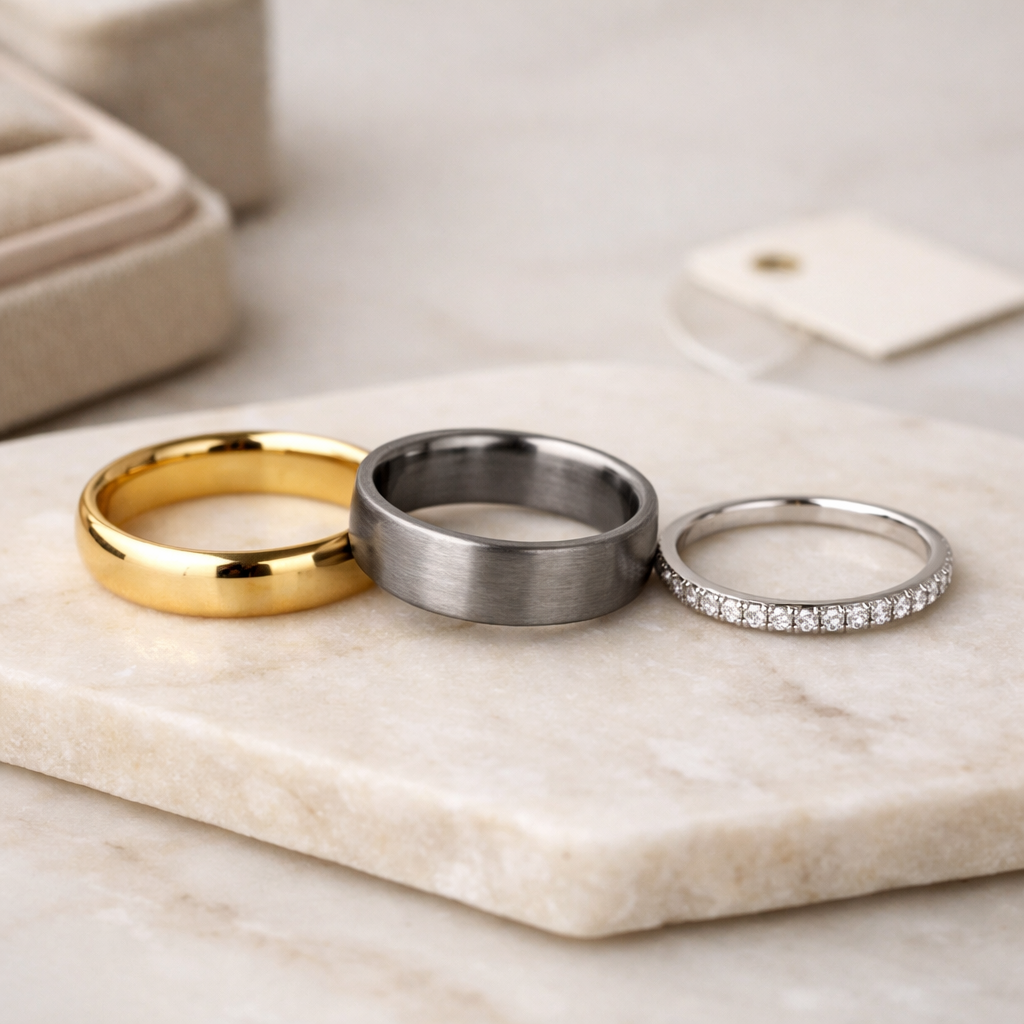
Top Wedding Ring Trends That Balance Style, Durability, Budget
Today’s top wedding ring trends focus on smart trade-offs: choosing metals that hold up to daily wear, profiles and settings that don’t snag, and stone options that stretch your budget without compromising beauty. If you’re active, platinum, comfort-fit bands, and low-profile protective settings are standouts; if you’re value-focused, lab-grown diamond wedding bands and minimalist stacks deliver polish for less. Below, we translate trends into practical choices you can live in—stylish, durable, and financially sensible.
Jewelry Guidebook
Jewelry Guidebook is built for value-conscious shoppers who want clear, unbiased guidance. We break down the 4Cs, compare durable wedding band metals, explain setting security, and flag certification (GIA/IGI) so you can weigh price versus performance with confidence. Expect precise definitions, checklists, and side-by-side comparisons—no hype, just evidence. As you read, consider your lifestyle (hands-on vs. desk), budget ceiling, and design priorities. We typically provide visual tools (like carat-to-finger-size guides) and realistic cleaning intervals, and we keep our recommendations practical for long-term wear.
Platinum
Platinum wedding bands are trending for their endurance: the metal is dense, naturally white, and needs no rhodium replating. Scratches displace metal rather than removing it, developing a soft luster over time, which many couples appreciate. The heft feels substantial, and the metal pairs especially well with bezel or channel-set designs and plain bands—ideal for active lifestyles, as noted in Jaume Labro’s expert guide to choosing wedding rings.
Patina definition (40–50 words): Patina is the subtle, satin-like surface that forms on platinum as micro-scratches blend with wear. It doesn’t mean the metal is thinning; rather, the surface texture changes, creating a soft glow. Patina can be polished back to high shine, but many prefer its timeless character.
14k Gold
14k gold remains a mainstay for its balance of hardness, color options, and approachable price. Because it contains a higher proportion of alloying metals than 18k, 14k is typically more scratch-resistant and better suited to daily wear. White 14k often receives a rhodium finish for a bright-white look; expect periodic replating to maintain that crisp tone over the years.
Quick comparison: 14k vs 18k vs platinum
| Metal | Durability (scratch/warp) | Color/Look | Upkeep | Cost Positioning |
|---|---|---|---|---|
| 14k Gold | Strong daily-wear option | Warm (yellow/rose), cool (white with rhodium) | White gold may need replating | $ (value) |
| 18k Gold | Softer than 14k | Richer gold hue; luxe | White 18k often replated | $$ (premium) |
| Platinum | Excellent, very dense | Naturally white; patinas | No rhodium; optional polish | $$$ (highest) |
18k Gold
18k wedding bands deliver a richer gold hue and luxury feel. The trade-off: higher purity makes it slightly softer than 14k and platinum, so it’s more prone to surface wear. For frequent wear, pair 18k with protective settings (bezels/channels) or choose a plain or low-profile band. Many jewelers recommend annual prong and stone checkups to keep higher-karat pieces secure, a point underscored in Roman Malakov’s guide to choosing a ring that lasts a lifetime.
Palladium and Titanium
Palladium and titanium trend as lightweight, durable, budget-savvy metals—great if you want less heft than platinum. Palladium is naturally white and hypoallergenic, while titanium brings a modern, darker gray tone with excellent wear resistance at a friendly price, especially for simple, comfort-fit wedding bands.
Titanium wedding bands (40–50 words): Titanium bands are ultra-light, strong, and highly corrosion-resistant, with a cool gray color that hides wear well. They’re generally hypoallergenic and budget-friendly. The trade-off is practicality: traditional resizing is limited or not advised, so confirm fit and width before you buy.
Bezel and Channel Settings
Bezel setting (40–50 words): A bezel wraps a metal lip fully or partially around the stone’s edge, gripping it securely while shielding the girdle. This low, protective design reduces snagging and protects against knocks, making it a practical choice for daily wear. The trade-off is slightly reduced light entry versus open prongs.
Channel setting: Small diamonds sit between two parallel metal walls, creating a smooth, flush row with protected edges. The profile is low and snag-resistant; note that resizing across channels can be more complex.
Protective settings like bezels and channels typically shield stones better than raised prongs, and flatter, low-profile designs suit active lifestyles with fewer snags and less wear, as summarized in Blue Nile’s guide to choosing a wedding ring. Jewelry Guidebook prioritizes these protective, low-snag profiles for long-term wear.
Pros vs prongs:
- Security: Bezel/channel maximize stone protection; prongs expose corners.
- Sparkle: Prongs show more of the diamond; bezel/channel trade a bit of light for safety.
- Maintenance: Prongs need periodic tightening; bezel/channel are generally lower maintenance.
- Snag risk: Bezel/channel are low-snag; prongs can catch on fabrics or gloves.
Minimalist and Stackable Bands
Minimalist wedding bands (2–3mm) and stackable wedding rings are trending because they’re comfortable, versatile, and budget-friendly. Half-eternity bands offer sparkle with easier resizing than full eternity. Simple, low-profile designs are recommended for daily wear; mix a plain band with a delicate pavé, vary widths, or add a textured piece for depth without bulk.
Lab-grown Diamonds
Lab-grown diamond (40–50 words): Lab-grown diamonds are real diamonds with the same crystal structure and optical properties as natural stones, produced by HPHT or CVD methods. They’re graded by major labs (including GIA and IGI), offer traceable origin, and typically cost less—enabling larger carat weights or upgraded settings for the same budget.
Leading retailers increasingly pair lab-grown diamond wedding bands with robust filters, 360° video, and transparent specs to make apples-to-apples comparisons easier, supporting smarter value decisions for shoppers highlighted in PriceScope’s overview of top wedding ring brands. Jewelry Guidebook explains grading reports and cost trade-offs so you can compare on specs, not guesswork.
Textured and Mixed-metal Details
Mokume Gane (40–50 words): Mokume Gane is a Japanese metalworking technique that bonds layered precious metals to create organic, wood-grain patterns. For rings, contrasting metals (often silver for patterning) are typically backed by a solid gold liner for comfort and longevity. The solid liner protects softer layers while preserving the artful look.
Hammered finishes with rounded edges are also trending for their lived-in texture and comfort; they disguise micro-scratches and hold up well to active routines, a point often noted by makers in an expert guide to choosing wedding rings. Care tips: expect periodic refinishing for heavy wear; avoid abrasive cleaners on patterned or oxidized areas.
Comfort-fit and Low-profile Designs
Comfort-fit band (40–50 words): A comfort-fit band has a gently rounded interior that reduces pressure on the finger and glides more easily over the knuckle. The edges feel softer in daily wear, which is especially helpful for wider widths. Many find they can size slightly narrower in comfort-fit while maintaining security.
Comfort-fit interiors plus flatter profiles reduce snagging and wear—especially when paired with bezels or low pavé. Common profiles include flat, court/domed (rounded outside and inside), and D-shape (flat inside, rounded outside), each giving a distinct look and feel, as summarized in Brilliant Earth’s wedding rings buying guide.
Customization and Virtual Try-ons
Many leading retailers now offer 360° product views, virtual try-ons, and even real-time video inspections, which build confidence when purchasing online, as outlined in PriceScope’s overview of top wedding ring brands. Use interactive filters (metal, width, profile, lab-grown vs. natural), compare side-by-side, and save favorites. If you’re designing a custom wedding band, request CAD previews and confirm sizing and finish samples before finalizing. Jewelry Guidebook’s checklists walk you through CAD review, measurements, and finish approvals before you commit.
How to Match Lifestyle, Metal, and Setting
Follow this quick, durable-by-design flow:
- Daily routine: Hands-on/active vs. desk-based and gentle.
- Metal: Active—platinum, 14k gold, palladium, or titanium; Luxe feel—18k or platinum.
- Setting/profile: Active—bezel or channel with low profile; Gentle wear—prong or eternity styles.
Rule of thumb mapping
| Lifestyle x Priority | Metal + Setting Example |
|---|---|
| Very active, low maintenance | Platinum comfort-fit band; bezel-set accents |
| Active, lighter feel | Palladium or titanium, 2–4mm, matte/hammered |
| Desk-based, luxe color | 18k yellow, plain or low pavé half-eternity |
| Value-focused sparkle | 14k white, channel-set lab-grown diamond band |
| Modern minimalism | 2–3mm 14k or platinum flat profile, plain |
Fit reminder: Your ring should slide over the knuckle with slight resistance, then sit snugly without spinning.
Budget Tips Without Sacrificing Style
- Choose 14k gold for value and durability; reserve budget for design details that matter most.
- Opt for lab-grown diamond wedding bands to maximize carat per dollar; strong comparison tools and grading transparency help you buy smart.
- Pick minimalist or half-eternity bands over full eternity for savings and easier resizing.
- Consider bezel or channel settings to reduce future maintenance.
- Platinum costs more upfront but needs no rhodium replating over time; white gold’s replating adds lifetime upkeep.
Care and Maintenance Essentials
Care cadence: Clean gently every few weeks (warm water, mild soap, soft brush) and schedule a professional inspection annually for prongs, channels, and settings.
Do:
- Remove rings for heavy lifting, contact sports, and harsh chemicals.
- Store pieces separately to avoid abrasion.
- Check for movement or clicking stones; address early.
Don’t:
- Use abrasive cleaners on textured or oxidized finishes.
- Rely on ultrasonic cleaning for fragile pavé without a jeweler’s okay.
- Worry if platinum develops patina; it’s normal. White gold may need periodic replating.
Frequently asked questions
How much should a wedding band cost and what drives the price?
Most couples spend a few hundred to low-thousands, driven by metal choice, width, craftsmanship, and whether diamonds are included. Jewelry Guidebook’s budget templates help you balance specs and spend.
Which metals are most durable for everyday wear?
Platinum and 14k gold are reliable daily choices—platinum is dense and naturally white, while 14k’s alloy mix improves scratch resistance over higher-karat gold. See Jewelry Guidebook’s durability chart for trade-offs.
Are lab-grown diamonds or moissanite good budget-friendly choices?
Yes. Lab-grown diamonds deliver the same look and grading standards as natural at lower prices, and moissanite offers high sparkle for even less; Jewelry Guidebook explains grading and visual differences so you can choose confidently.
What ring widths and profiles are most comfortable for daily use?
Bands in the 2–3mm range wear easily, and comfort-fit interiors with a rounded inside edge reduce pressure. Jewelry Guidebook’s fit guide translates width and profile to real-world feel.
How should I maintain a wedding ring to keep it looking new?
Clean gently every few weeks and get a professional inspection once a year. Jewelry Guidebook’s care schedule keeps you on track for cleaning and checkups.